
Life After Cancer Treatment in California: A Guide to Recovery and Wellness
 by
by 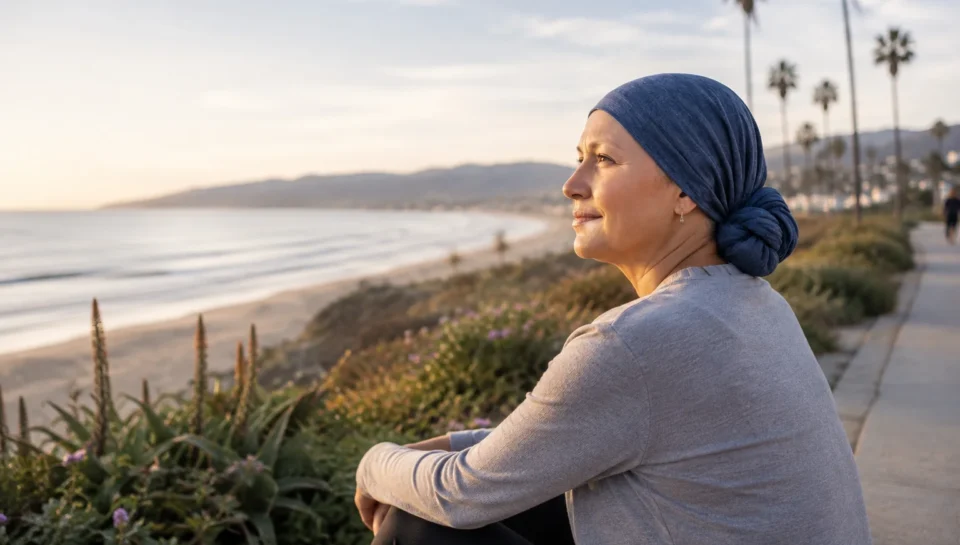
Finishing cancer treatment can bring relief, but it can also raise many new questions. What happens next? How often should you have follow-up appointments? How do you manage fatigue, anxiety, changes in daily routines, or concerns about the future?
Life after cancer treatment in California can look different for every survivor. Some people return to their usual routines quickly, while others need more time to rebuild physical strength, emotional confidence, relationships, and a sense of normalcy. Survivorship is not simply about finishing treatment. It is an ongoing stage that can include follow-up care, wellness, emotional health, family support, and adapting to life after cancer.
Community Wellness Collective (CWC) provides educational resources and guidance designed to help individuals and families better understand the cancer journey, including survivorship. Its Navigate Cancer platform covers the journey from diagnosis and treatment through monitoring and survivorship. Navigate Cancer can be a useful starting point for people looking for information and supportive resources.
What Does Life After Cancer Treatment Look Like?
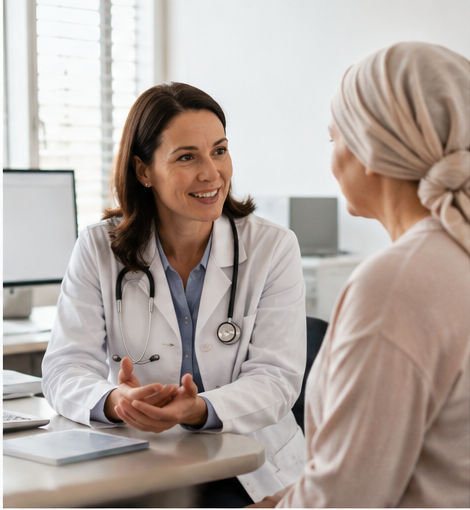
Life after treatment is sometimes described as a “new normal.” The transition can involve changes that are physical, emotional, social, or practical.
The National Cancer Institute explains that survivorship begins at diagnosis and continues throughout a person’s life. For people who have completed treatment, survivorship can include adjusting to physical and emotional changes, managing follow-up care, and coping with concerns about recurrence.
For some survivors, the biggest challenge is physical recovery. For others, it may be uncertainty about the future or difficulty returning to work and family routines. There is no single timeline that applies to everyone.
That is why life after cancer treatment in California should be approached as an individual journey rather than a fixed checklist.
1. Continue Follow-Up Care and Cancer Monitoring
One of the most important parts of survivorship is staying connected with your healthcare team.
After treatment, your doctor may recommend a personalized follow-up care plan. Depending on your cancer type and treatment history, follow-up can include physical examinations, laboratory testing, imaging, symptom discussions, and other assessments.
The National Cancer Institute recommends that cancer survivors receive follow-up care after treatment, with the schedule based on factors such as the type of cancer, treatment received, and overall health.
CWC also provides information about cancer monitoring and survivorship care, including the importance of tracking health changes and discussing concerns with healthcare professionals. Learn about cancer monitoring at CWC.
Follow-up care can help you understand what to expect next and when to contact your medical team about new or persistent symptoms.
2. Give Your Body Time to Recover
Completing treatment does not always mean that the body immediately returns to its previous level of energy or strength.
Some survivors experience fatigue, changes in sleep, weakness, appetite changes, pain, or other treatment-related effects. Certain late effects may appear months or even years after treatment, depending on the treatment a person received.
Recovery can therefore require patience.
Instead of expecting yourself to return to your previous routine immediately, consider working with your healthcare team on realistic recovery goals. Gradual activity, adequate rest, balanced nutrition, and appropriate medical follow-up may all be part of rebuilding daily routines.
Your healthcare team can also help determine which activities are appropriate for your individual situation.
3. Pay Attention to Emotional Health
The emotional side of life after cancer treatment in California deserves as much attention as physical recovery.
Some survivors feel happy and relieved when treatment ends. Others may experience anxiety, sadness, frustration, uncertainty, or fear that the cancer could return. These feelings can appear even when medical treatment has been completed.
The National Cancer Institute notes that adjusting to life after treatment can involve new emotions and changes in support, routines, and perspectives on life.
You do not have to deal with these emotions alone.
Support can include talking with a mental health professional, participating in a peer-support group, connecting with family members, practicing stress-management techniques, or finding a supportive community.
CWC’s wellness resources include an Emotional Health track intended to help people explore supportive approaches to emotional well-being.

4. Rebuild Healthy Daily Habits
After cancer treatment, many people become interested in creating healthier routines. However, there is no need to completely transform your life overnight.
Start with practical habits that are realistic for your current energy and circumstances.
These may include:
- Eating balanced meals and staying adequately nourished
- Drinking enough fluids
- Getting appropriate physical activity
- Maintaining a regular sleep schedule
- Making time for relaxation
- Staying connected with supportive people
- Following your healthcare team’s recommendations
Nutrition can be particularly important during survivorship. CWC’s nutrition resources discuss approaches to balanced nourishment, meal planning, and rebuilding healthy routines after treatment. Explore CWC nutrition resources.
Healthy habits should complement—not replace—medical care.
5. Manage the Fear of Cancer Recurrence
One of the most difficult parts of life after cancer treatment in California can be the fear that cancer may come back.
A follow-up scan, appointment, physical symptom, or even a reminder of the treatment experience can trigger anxiety. This can happen even after a person has been doing well for months or years.
Instead of ignoring these feelings, it may help to acknowledge them and develop healthy ways of responding.
Keeping track of medical appointments, knowing your follow-up plan, asking questions, talking openly with your healthcare team, and seeking emotional support can make uncertainty more manageable.
It is also important not to assume that every new symptom means recurrence. At the same time, persistent or concerning symptoms should be discussed with your healthcare provider.
6. Reconnect With Family, Work, and Everyday Life
Cancer can change relationships and routines. Returning to everyday responsibilities may feel exciting, overwhelming, or unfamiliar.
Some survivors want to return to work immediately. Others need additional time or workplace adjustments. Family responsibilities may also feel different after months of treatment.
It can be helpful to communicate openly with the people around you.
Let your family know what support you need. Set realistic expectations. Give yourself permission to adjust your schedule while you rebuild your energy and confidence.
The National Cancer Institute notes that families can also experience changes after treatment and may need time and support to adapt.
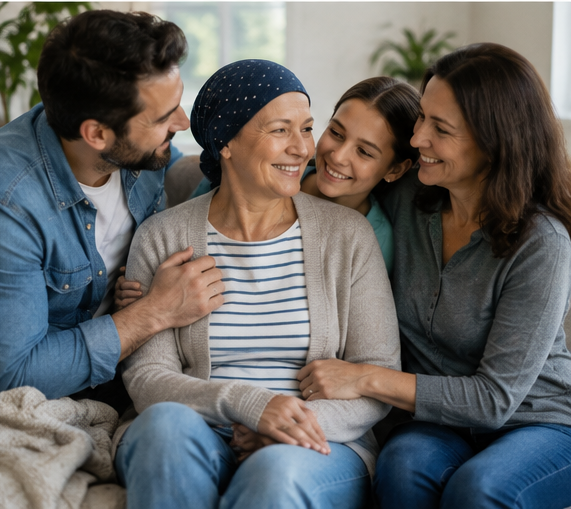
Survivorship is therefore not only an individual experience. It can involve the entire family and support network.
7. Find Support That Understands Your Community
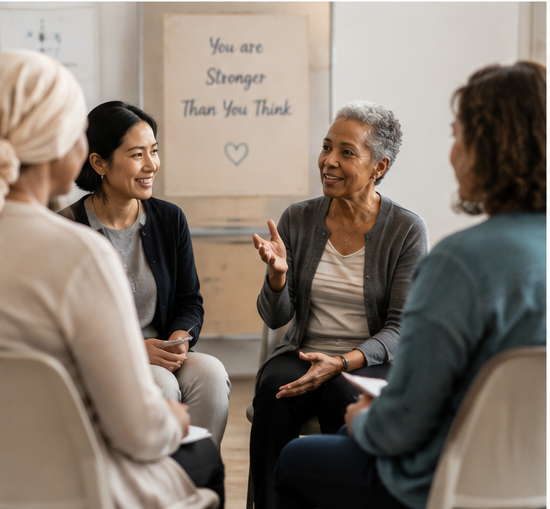
California is home to people from many cultures, backgrounds, and communities. For some survivors, culturally aware support can make it easier to communicate concerns, ask questions, and feel understood.
Community-based education can also help survivors and caregivers connect with others who understand parts of their experience.
CWC’s survivorship initiative with Stanford focuses on understanding and supporting life after cancer treatment through educational sessions, shared experiences, and discussion around emotional well-being, communication, and everyday life.
A supportive environment can help survivors feel less isolated while they adjust to the next stage of their lives.
8. Remember That Caregivers Need Support Too
Cancer survivorship is not only about the person who received treatment.
Caregivers, spouses, parents, children, and other family members can also experience stress, uncertainty, exhaustion, and emotional challenges.
After treatment ends, caregivers may wonder whether they should continue providing the same level of support or how they can help their loved one rebuild independence.
Open communication can help.
Family members can support survivors by listening, helping with practical responsibilities, attending appointments when appropriate, and encouraging healthy routines without creating unnecessary pressure.
At the same time, caregivers should protect their own well-being and seek support when needed.
9. Build a Personal Survivorship Plan
There is no universal definition of life after cancer treatment in California. A useful survivorship plan should reflect your personal health history, treatment, goals, concerns, and support system.
Your plan may include:
Medical care: Keep track of follow-up appointments, tests, medications, and questions for your healthcare team.
Emotional well-being: Identify people and resources you can turn to when anxiety, stress, or uncertainty becomes difficult.
Nutrition: Focus on sustainable eating habits and seek qualified guidance for individual dietary needs.
Physical activity: Ask your healthcare team what types and levels of activity are appropriate.
Relationships: Stay connected with family, friends, support groups, and community resources.
Long-term goals: Think about what matters most to you beyond cancer and take gradual steps toward those goals.
Creating a plan can make the transition feel less overwhelming because you can focus on the next step rather than trying to solve everything at once.
Why Community Support Matters After Cancer Treatment
Cancer can affect much more than the body. It can influence confidence, relationships, work, finances, routines, and the way people think about the future.
That is why survivorship support can benefit from a whole-person perspective.
CWC describes Navigate Cancer as an educational and supportive platform rather than a replacement for medical treatment. Its goal is to help individuals and families better understand the cancer journey while connecting them with guidance and trusted resources.
This type of support can be especially valuable when a survivor has questions that extend beyond a single medical appointment.
Frequently Asked Questions About Life After Cancer Treatment
What is life after cancer treatment called?
The period after cancer treatment is commonly discussed as cancer survivorship. Survivorship can include follow-up medical care, managing long-term effects, emotional well-being, family relationships, and quality of life.
How long does recovery take after cancer treatment?
Recovery varies widely depending on the cancer, treatment, overall health, and individual circumstances. Some people regain their routines relatively quickly, while others experience physical or emotional effects for longer periods.
Do cancer survivors still need medical checkups?
Yes. Follow-up care is an important part of survivorship. Your healthcare provider can create an individualized follow-up schedule based on your medical history and treatment.
Can emotional challenges continue after treatment?
Yes. Anxiety, uncertainty, sadness, and fear of recurrence can continue after treatment has ended. Seeking emotional support can be an important part of recovery.
Where can California cancer survivors find educational support?
CWC’s Navigate Cancer platform provides educational resources across different stages of the cancer journey, including monitoring and survivorship. CWC also provides nutrition and emotional wellness resources and survivorship-focused community initiatives.
Moving Forward After Cancer Treatment
Life after cancer treatment in California does not have to mean immediately returning to exactly how things were before cancer.
For many survivors, the next chapter is about gradually rebuilding strength, understanding follow-up care, caring for emotional health, reconnecting with loved ones, and creating routines that support long-term well-being.
You may have questions that cannot be answered in one appointment, and you may need different kinds of support at different points in your survivorship journey.
The important thing is to take the next step at a pace that works for you and stay connected with qualified healthcare professionals for medical decisions.
Community Wellness Collective is committed to helping individuals and families find clearer information, supportive resources, and community connection throughout the cancer journey.
Your life after treatment is still your life—and survivorship can be a time to focus on healing, connection, confidence, and what comes next.
Medical Disclaimer
This article is intended for general educational purposes only and does not provide medical advice, diagnosis, or treatment. Every cancer survivor has different needs. Always speak with your physician, oncology team, or another qualified healthcare professional about your individual follow-up care, symptoms, treatment effects, nutrition, and exercise.
The National Cancer Institute’s cancer survivorship resources provide information about follow-up care, adjusting after treatment, emotional well-being, and long-term survivorship.
