
Cancer Survivorship Support in the Bay Area
 by
by 
Finishing cancer treatment can bring relief, but it can also introduce a new set of questions. What happens after treatment? How can survivors manage emotional changes, rebuild healthy routines, and stay connected to the right resources?
Cancer survivorship support in the Bay Area can help individuals and families navigate this important stage of the cancer journey. Survivorship is not simply about completing treatment. It can involve physical recovery, emotional well-being, healthy lifestyle changes, follow-up care, community connection, and finding practical resources.
For people looking for cancer survivorship resources in California, the Bay Area offers access to healthcare organizations, support programs, educational resources, community services, and wellness-focused initiatives.
At the Community Wellness Collaborative (CWC), the focus is on whole-person wellness and helping individuals and families access information and supportive resources throughout the cancer journey.
What Is Cancer Survivorship?
Cancer survivorship refers to the period of life that begins at diagnosis and continues through treatment and beyond. For many people, survivorship becomes especially important after active treatment ends.
Every survivor has a different experience. Some people may feel ready to return to everyday life, while others may experience fatigue, anxiety, uncertainty, or concerns about recurrence.
Survivorship can include:
- Managing ongoing physical symptoms
- Adjusting to life after cancer treatment
- Maintaining follow-up appointments
- Supporting emotional and mental well-being
- Rebuilding daily routines
- Improving nutrition and physical activity
- Staying connected with family and community
- Finding financial and practical assistance
- Accessing cancer education and support services
Because every cancer experience is different, survivorship support should be personalized to the individual’s needs.
Cancer Survivorship Support in the Bay Area
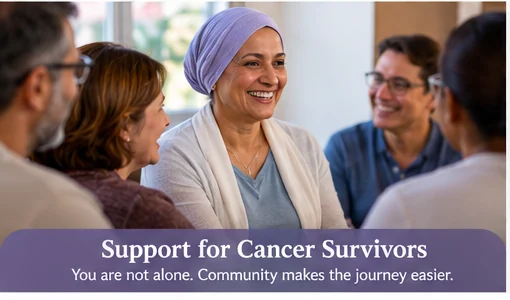
The Bay Area has a diverse network of healthcare providers, nonprofit organizations, wellness programs, support communities, and educational resources that may help cancer survivors.
Finding the right resources can sometimes feel overwhelming. Survivors may need different types of support at different stages.
For example, someone who has recently completed chemotherapy may be looking for recovery guidance, while another survivor may be seeking emotional support several years after treatment.
A survivorship support plan may include several areas of care.
Physical Recovery
Cancer treatment can affect energy, strength, mobility, sleep, appetite, and other aspects of physical well-being.
Depending on individual circumstances, survivors may benefit from conversations with qualified healthcare professionals about exercise, nutrition, sleep, rehabilitation, and ongoing medical care.
Emotional Wellness
Completing treatment does not necessarily mean that emotional concerns disappear.
Survivors may experience:
- Anxiety about recurrence
- Fear about future health
- Changes in body image
- Stress related to follow-up appointments
- Difficulty adjusting to everyday life
- Feelings of isolation
- Changes in relationships
Access to counseling, support groups, peer communities, and other appropriate resources can help survivors navigate these experiences.
Cancer Survivorship Resources in California
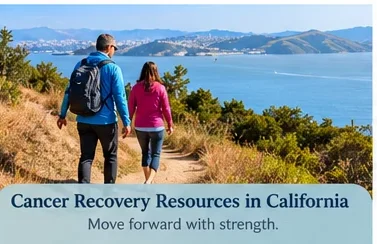
People searching for cancer survivorship resources in California may find support through healthcare institutions, nonprofit organizations, cancer education programs, community organizations, and national cancer organizations.
Useful resources can address areas such as:
- Survivorship education
- Support groups
- Nutrition and wellness
- Physical activity
- Mental and emotional well-being
- Caregiver support
- Financial resources
- Transportation assistance
- Patient navigation
- Community programs
The National Cancer Institute provides information about survivorship and life after cancer treatment. The American Cancer Society also provides survivorship information and support resources.
When searching for resources, it is helpful to consider whether a program is appropriate for your cancer type, treatment history, location, and individual needs.
Cancer Recovery Resources in California
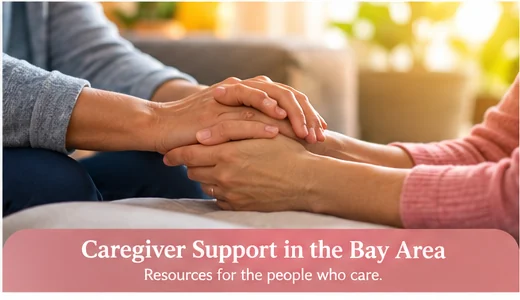
Recovery can look different for every survivor. Some people gradually return to their previous routines, while others may need additional support.
Cancer recovery resources in California may include programs addressing physical rehabilitation, nutrition, emotional wellness, social connection, and practical challenges.
A survivor may want to discuss the following areas with their healthcare team:
Nutrition
A balanced eating pattern can support overall health. Individual nutritional needs can vary depending on treatment history and other health considerations.
A registered dietitian or qualified healthcare professional can provide personalized guidance when appropriate.
Physical Activity
Physical activity may be part of a survivor’s overall wellness plan. However, the appropriate type and intensity of activity can depend on treatment history, current health, and individual circumstances.
Survivors should discuss new exercise routines with their healthcare team when necessary.
Sleep
Changes in sleep can occur during and after cancer treatment. Establishing consistent sleep habits and discussing persistent sleep problems with a healthcare professional may be helpful.
Follow-Up Care
Regular follow-up appointments can help healthcare professionals monitor recovery and address ongoing concerns.
Survivors should follow the follow-up plan provided by their healthcare team.
Support for Cancer Survivors
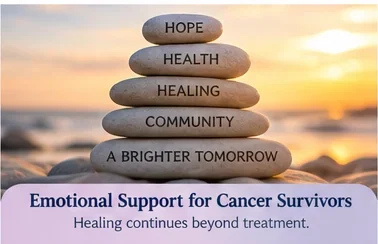
Support for cancer survivors can come from many different sources.
Family members and friends can provide emotional encouragement. Healthcare professionals can provide medical guidance. Support groups can create opportunities to connect with people who understand similar experiences.
Community-based organizations can also provide education, wellness programs, and connections to additional resources.
A strong support network can help survivors feel less isolated while they adjust to life after treatment.
Cancer Survivor Wellness: Caring for the Whole Person
Cancer survivor wellness involves more than physical health.
Whole-person wellness can include physical, emotional, social, and practical dimensions of life.
Physical Wellness
This can involve nutrition, physical activity, sleep, rehabilitation, and appropriate medical follow-up.
Emotional Wellness
Survivors may benefit from counseling, mindfulness practices, peer support, or other appropriate resources.
Social Wellness
Relationships and community connections can become especially important during survivorship.
Connecting with family, friends, support groups, and community organizations can provide a sense of belonging.
Practical Wellness
Cancer can affect work, finances, transportation, caregiving responsibilities, and everyday routines.
Finding appropriate community resources can help survivors and families address some of these challenges.
Cancer Support in the Bay Area
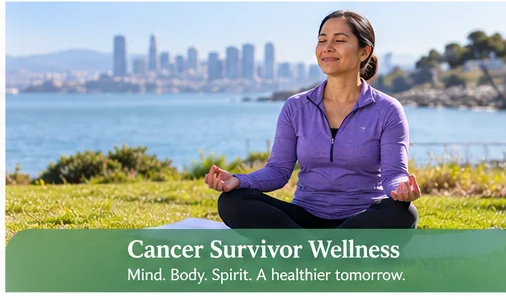
Finding cancer support in the Bay Area does not have to mean navigating the journey alone.
Depending on individual needs, support may include:
- Cancer support groups
- Survivorship education
- Peer-to-peer communities
- Wellness programs
- Caregiver resources
- Mental health resources
- Nutrition education
- Patient navigation
- Community wellness programs
Because the Bay Area includes many communities and organizations, survivors may want to explore both healthcare-based and community-based resources.
CWC focuses on education, connection, and whole-person cancer wellness, helping individuals and families explore supportive resources that can complement their broader healthcare journey.
Life After Cancer Treatment
Life after cancer treatment can involve both positive changes and unexpected challenges.
Some survivors may be excited to return to work, reconnect with family, travel, or pursue personal goals. Others may need time to adjust to changes in their physical or emotional well-being.
It is normal for survivorship to be an ongoing process rather than a single transition.
Some questions survivors may consider include:
- How do I maintain my follow-up care?
- How can I rebuild my daily routine?
- Where can I find emotional support?
- How can I connect with other survivors?
- What wellness habits are appropriate for me?
- Where can my family find support?
- How can I find reliable cancer education resources?
Discussing these questions with a healthcare team and connecting with reputable support organizations can help survivors make informed decisions.
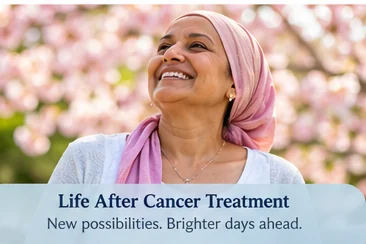
Emotional Support for Cancer Survivors
Emotional support for cancer survivors is an important part of survivorship.
Cancer can affect emotions long after active treatment has ended. Some survivors may worry about recurrence or feel uncertain about the future. Others may experience changes in relationships, identity, work, or daily life.
Support can come through:
- Individual counseling
- Support groups
- Peer communities
- Family conversations
- Mindfulness and relaxation practices
- Community wellness programs
- Professional mental health services when appropriate
If emotional distress is persistent, severe, or interfering with daily life, survivors should consider speaking with an appropriately qualified healthcare or mental health professional.
Cancer Caregiver Support in the Bay Area
Cancer affects families as well as individuals.
Caregivers may help with transportation, appointments, medications, household responsibilities, emotional support, and other practical needs.
At the same time, caregivers may experience stress, fatigue, uncertainty, and emotional challenges of their own.
Cancer caregiver support in the Bay Area may include caregiver education, peer support, counseling resources, community programs, and practical assistance.
Caregivers should also make time for their own well-being. Supporting someone with cancer can be demanding, and maintaining appropriate personal support can make the caregiving experience more sustainable.
How to Find the Right Survivorship Resources
There is no single survivorship program that works for everyone.
When exploring resources, consider:
1. Start With Your Healthcare Team
Ask your oncology or primary care team about survivorship services, follow-up care, rehabilitation, nutrition, emotional support, and community resources.
2. Look for Reliable Information
Choose resources from established healthcare organizations, government agencies, hospitals, universities, and reputable nonprofit organizations.
3. Consider Your Individual Needs
Think about what type of support you need right now. Your priorities may change over time.
4. Explore Community Support
Local support groups and community organizations can provide education and connection.
5. Include Caregivers and Family
If family members or caregivers are involved in your recovery, look for resources that support them as well.
Building a Personalized Survivorship Plan

A survivorship plan can help organize the different aspects of life after treatment.
Depending on individual circumstances, it may include:
- Follow-up medical care
- Recommended screenings
- Medication information
- Physical activity goals
- Nutrition considerations
- Emotional wellness resources
- Support groups
- Caregiver resources
- Community connections
- Questions for healthcare appointments
The plan should be developed in collaboration with appropriate healthcare professionals and adapted as circumstances change.
Why Community Matters During Survivorship
Cancer survivorship can sometimes feel like a transition from intensive medical care to uncertainty about what comes next.
Community can help bridge that gap.
Connecting with people who understand the cancer experience can provide opportunities to share experiences, learn about resources, and develop supportive relationships.
For Bay Area survivors and families, community-based wellness and education organizations can complement medical care by addressing some of the social, emotional, educational, and practical dimensions of survivorship.
Frequently Asked Questions
What is cancer survivorship?
Cancer survivorship refers broadly to the period following a cancer diagnosis and continuing through treatment and life afterward. Survivorship can include medical follow-up, physical recovery, emotional wellness, social connection, and practical support.
Where can I find cancer survivorship resources in California?
Resources may be available through cancer centers, healthcare providers, nonprofit organizations, community programs, government agencies, and reputable cancer organizations. The appropriate resources depend on individual needs and location.
What support is available for cancer survivors in the Bay Area?
Bay Area survivors may find support through healthcare organizations, support groups, community wellness programs, educational initiatives, peer communities, and nonprofit organizations.
How can caregivers find cancer support in the Bay Area?
Caregivers can ask healthcare teams about caregiver programs and explore reputable community organizations, support groups, counseling resources, and educational programs.
Is emotional support part of cancer survivorship?
Yes. Emotional well-being is an important part of survivorship. Survivors may explore counseling, peer support, support groups, wellness programs, and other appropriate resources based on their individual circumstances.
Supporting Life Beyond Cancer Treatment
Survivorship is an individual journey. For some people, it may focus on physical recovery. For others, emotional wellness, community connection, caregiver support, or rebuilding everyday routines may become the priority.
Access to reliable information and appropriate support can make it easier to navigate these changes.
For people seeking cancer survivorship support in the Bay Area, CWC provides a community-focused approach to cancer wellness education, connection, and supportive resources.
Explore CWC’s cancer wellness resources to learn more about whole-person approaches to cancer wellness and community support.
Important Note
This article is intended for educational purposes and is not a substitute for individualized medical advice, diagnosis, or treatment. Cancer survivors should speak with their healthcare professionals about questions related to their health, recovery, follow-up care, nutrition, exercise, or emotional well-being.
