
Exploring practices that support balance, comfort, and whole-person well-being throughout the cancer journey.
Many individuals explore supportive wellness practices alongside medical care. Integrative healing brings together approaches that may help individuals care for their physical comfort, mental clarity, and overall sense of balance during prevention, diagnosis, treatment, and survivorship.
Explore Some Of Our Best Videos, Webinars & Stories Below
Webinars
Videos
Blogs
Webinar 1
Webinar 3
Webinar 2
Webinar 4
Video 1
Video 3
Video 2
Video 4
Overview
Integrative healing focuses on supportive practices that encourage balance across the body and mind during the cancer journey. These approaches are often explored alongside conventional medical care and may help individuals manage stress, improve physical comfort, and support overall well-being.
The Integrative Healing track introduces practices such as mindful movement, meditation, breathing techniques, and restorative therapies that some individuals explore during different stages of the cancer experience.
These approaches are not intended to replace medical treatment. Instead, they may complement conventional care by helping individuals create moments of calm, restore physical comfort, and cultivate resilience.
Visitors will find stage-based perspectives, educational resources, and access to practitioners who focus on supportive wellness practices.
By thinking on behalf of our clients every day, we anticipate what they want, provide what they need & build lasting relationships. These are the concept that shape our distinctive culture & differentiate us from others.
We guide our clients through difficult issues, bringing our insight and judgment to each situa- tion. Our innovative approaches create original solutions to our clients
Project Information
-
ProjectName: Navigate Cancer —
Guided Support Pilot -
Category: Cancer Education &
Whole-Person Support -
-
SUPPORT BY STAGE
Integrative practices may be explored at different stages of the cancer journey depending on an individual’s needs and preferences.
Some people look for practices that support relaxation and stress management, while others explore approaches that support physical comfort, movement, or emotional grounding.
The sections below highlight ways integrative practices may support well-being during prevention, diagnosis, treatment, and survivorship.
Prevention
Activities such as yoga, breathing exercises, meditation, and mindful movement may help individuals cultivate awareness of their body and manage daily stress. These practices can also encourage moments of rest and reflection within busy routines.
Developing supportive wellness practices early may help individuals build habits that support long-term health and resilience.
Diagnosis
Meditation, breathing exercises, and gentle movement practices may help individuals regulate stress and reconnect with their body during periods of uncertainty.
Integrative approaches during diagnosis often focus on emotional grounding and creating space for rest, reflection, and clarity while individuals process new information.
Treatment
Gentle movement practices, restorative yoga, meditation, breathing exercises, and guided relaxation techniques may help individuals manage stress and maintain a sense of balance during treatment.
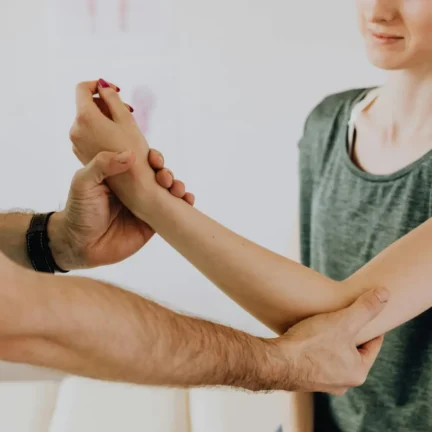
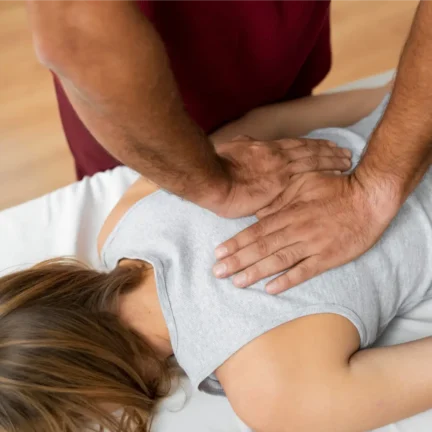
Some individuals also explore therapies such as massage or acupuncture as supportive approaches that may help address physical discomfort and encourage relaxation.
These practices are often adapted to meet individuals where they are, focusing on simple activities that encourage rest and awareness.
Survivorship
Many individuals explore integrative practices that encourage physical strength, flexibility, emotional clarity, and overall resilience.
Practices such as yoga, meditation, mindful movement, or reflective activities may help individuals maintain
WHOLE-PERSON WELLNESS
Integrative healing often focuses on caring for the whole person by recognizing the connection between physical comfort, emotional balance, and overall well-being.
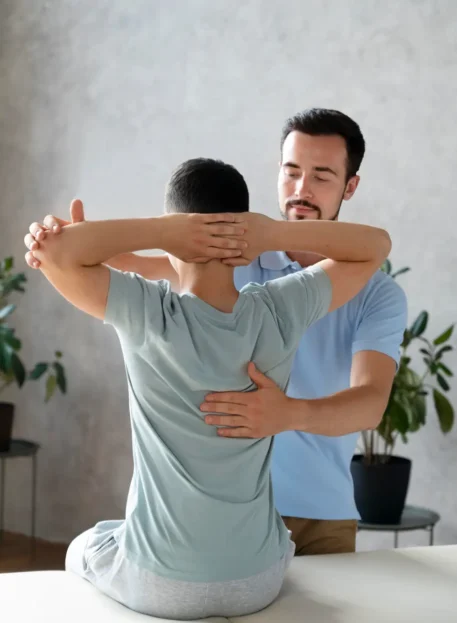
Body-based practices may include gentle movement, stretching, or restorative therapies that support relaxation and physical awareness.
Mind-focused practices such as meditation, breathing exercises, and mindfulness techniques may help individuals regulate stress and develop greater mental clarity.
Many individuals also explore reflective practices that support personal meaning and connection, such as time in nature, creative expression, or quiet contemplation.
Together, these approaches encourage individuals to care for both body and mind throughout the cancer journey.
A guide can help individuals explore whole-person wellness approaches that support balance across physical, emotional, and mental well-being.
EXPLORING INTEGRATIVE PRACTICES
Integrative healing includes a wide range of supportive practices that individuals may explore at their own pace.
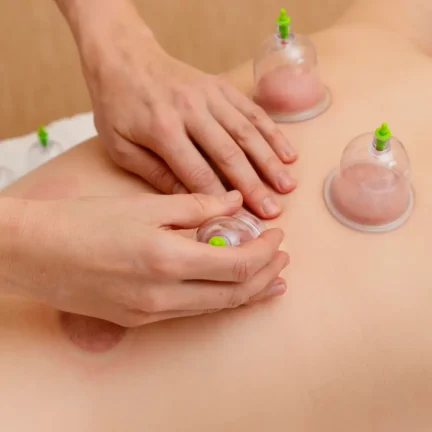
Some individuals explore yoga, meditation, or breathing exercises that encourage relaxation and body awareness. Others may explore restorative approaches such as acupuncture, massage therapy, or guided relaxation practices.
These practices are often adapted to meet individual needs and comfort levels, allowing individuals to gradually explore what feels supportive for their well-being.
A guide can help individuals explore integrative practices and identify approaches that feel supportive for their well-being.
EVENTS & WORKSHOPS
Educational events and workshops may provide opportunities to explore integrative wellness practices in a supportive environment.
Programs may include meditation sessions, yoga classes, breathing workshops, or discussions about supportive wellness approaches during the cancer journey.
Some events may be offered virtually while others may take place through partner organizations and practitioners.
These programs can help individuals learn new practices while connecting with others exploring similar approaches to well-being.
A guide can help individuals explore events and workshops that may support their integrative wellness journey.
VOICES FROM OUR COMMUNITY