

How Stress, Anxiety & Lifestyle Are Quietly Triggering Chronic Diseases
 by
by 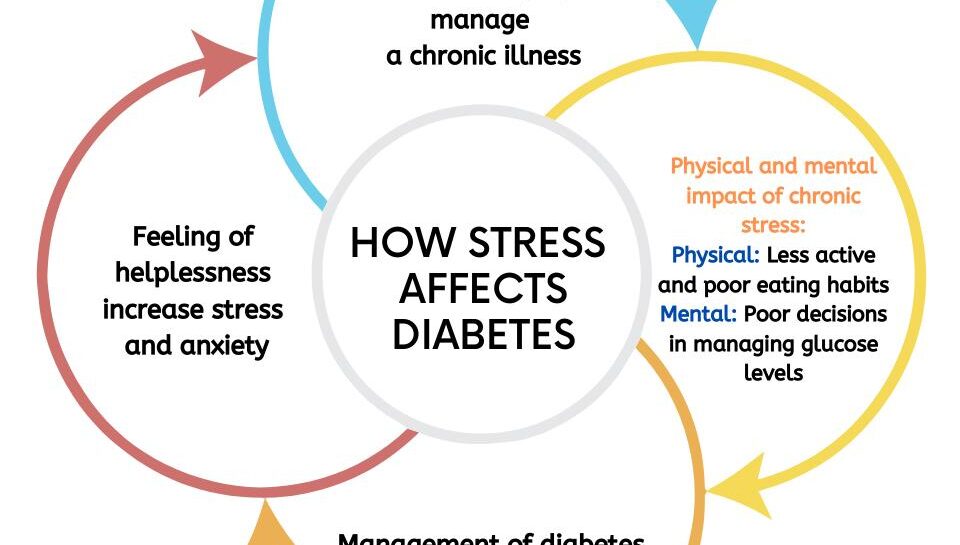
Stress and chronic diseases
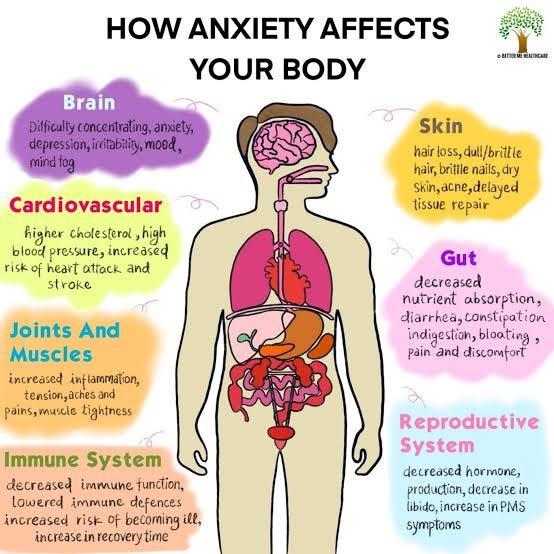
In today’s fast-paced world, stress and Chronic diseases have become part of everyday life. However, what many people don’t realize is that these emotional pressures are silently contributing to serious long-term health conditions. Increasingly, research shows a strong link between mental health and chronic diseases such as diabetes, heart disease, obesity, and hormonal imbalances. Therefore, understanding how stress, anxiety, and unhealthy lifestyle choices are interconnected is essential for preventing long-term health complications.
The Mind-Body Connection: Why It Matters For Stress and chronic diseases
The human body and mind are deeply connected. When you experience stress or anxiety, your body releases hormones like cortisol and adrenaline. While these hormones are helpful in short bursts, chronic exposure can lead to harmful effects.
As a result, prolonged stress can:
- Weaken the immune system
- Increase inflammation in the body
- Disrupt hormonal balance
- Affect digestion and metabolism
Consequently, your mental state directly influences your physical health, making stress management a crucial part of preventive healthcare.
How Stress Leads to Chronic Diseases
1. Heart Disease
Chronic stress increases blood pressure and heart rate. Over time, this puts excessive strain on the heart. Moreover, stress often leads to unhealthy coping habits such as smoking or overeating, which further increase the risk of cardiovascular diseases.
2. Diabetes
Stress hormones like cortisol raise blood sugar levels. Therefore, long-term stress can contribute to insulin resistance, eventually leading to Type 2 diabetes. Additionally, emotional eating and poor diet choices worsen the condition.
3. Obesity
When stressed, many individuals turn to comfort foods high in sugar and fat. At the same time, cortisol promotes fat storage, especially around the abdomen. As a result, chronic stress significantly contributes to weight gain and obesity.
4. Hormonal Imbalances (PCOS & Thyroid Issues)
Stress disrupts the endocrine system, which controls hormone production. Consequently, conditions like PCOS, irregular periods, and thyroid disorders are often linked to high stress levels.
5. Weakened Immunity
Long-term stress reduces the body’s ability to fight infections. Therefore, individuals under chronic stress are more prone to illnesses, fatigue, and slower recovery.
Early Warning Signs You Should Not Ignore For Stress and chronic diseases
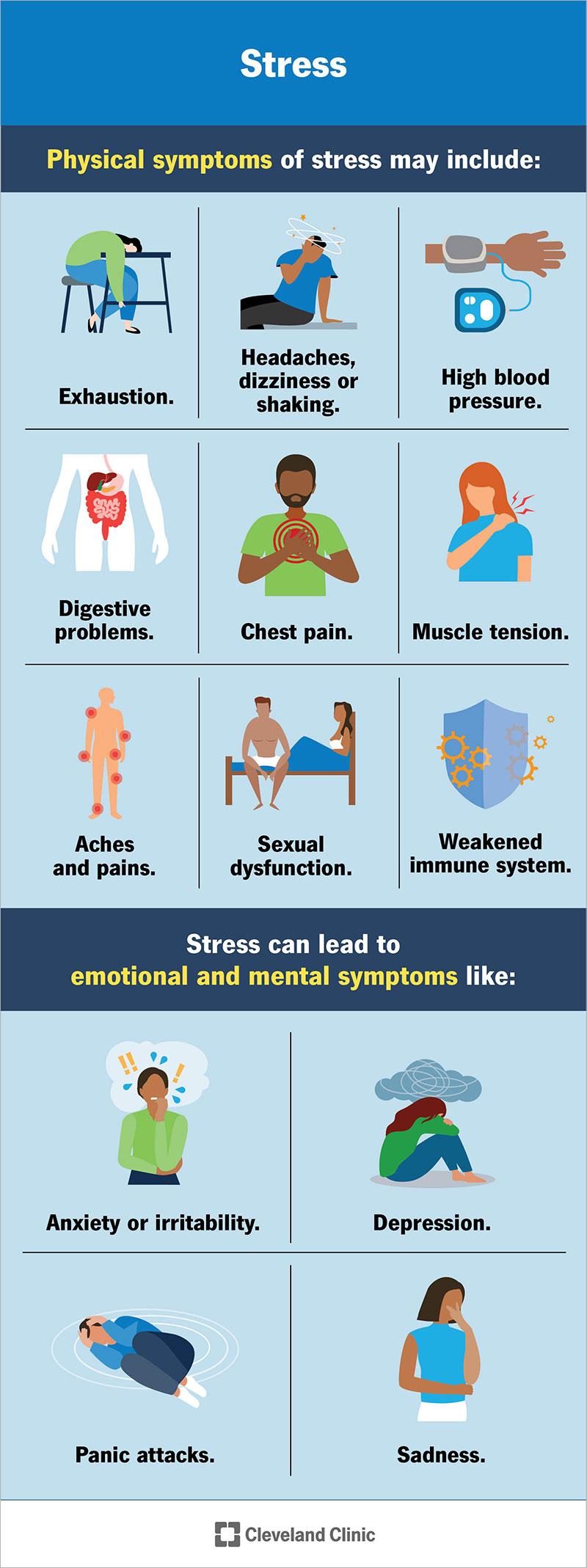
Although many people overlook stress-related symptoms, early detection can prevent serious diseases.
Watch out for:
- Constant fatigue
- Frequent headaches
- Sleep disturbances
- Digestive issues
- Mood swings or irritability
If these symptoms persist, it’s important to address both mental and physical health.
Lifestyle Habits That Make It Worse – Stress and chronic diseases
In addition to Stress and chronic diseases, certain lifestyle habits amplify the risk of chronic diseases:
- Sedentary lifestyle (lack of exercise)
- Poor diet (high sugar, processed foods)
- Inadequate sleep
- Excessive screen time
- Lack of social connection
Therefore, managing lifestyle choices is just as important as managing stress itself.
Practical Ways to Break the Cycle – Stress and chronic diseases
1. Practice Mindfulness & Meditation
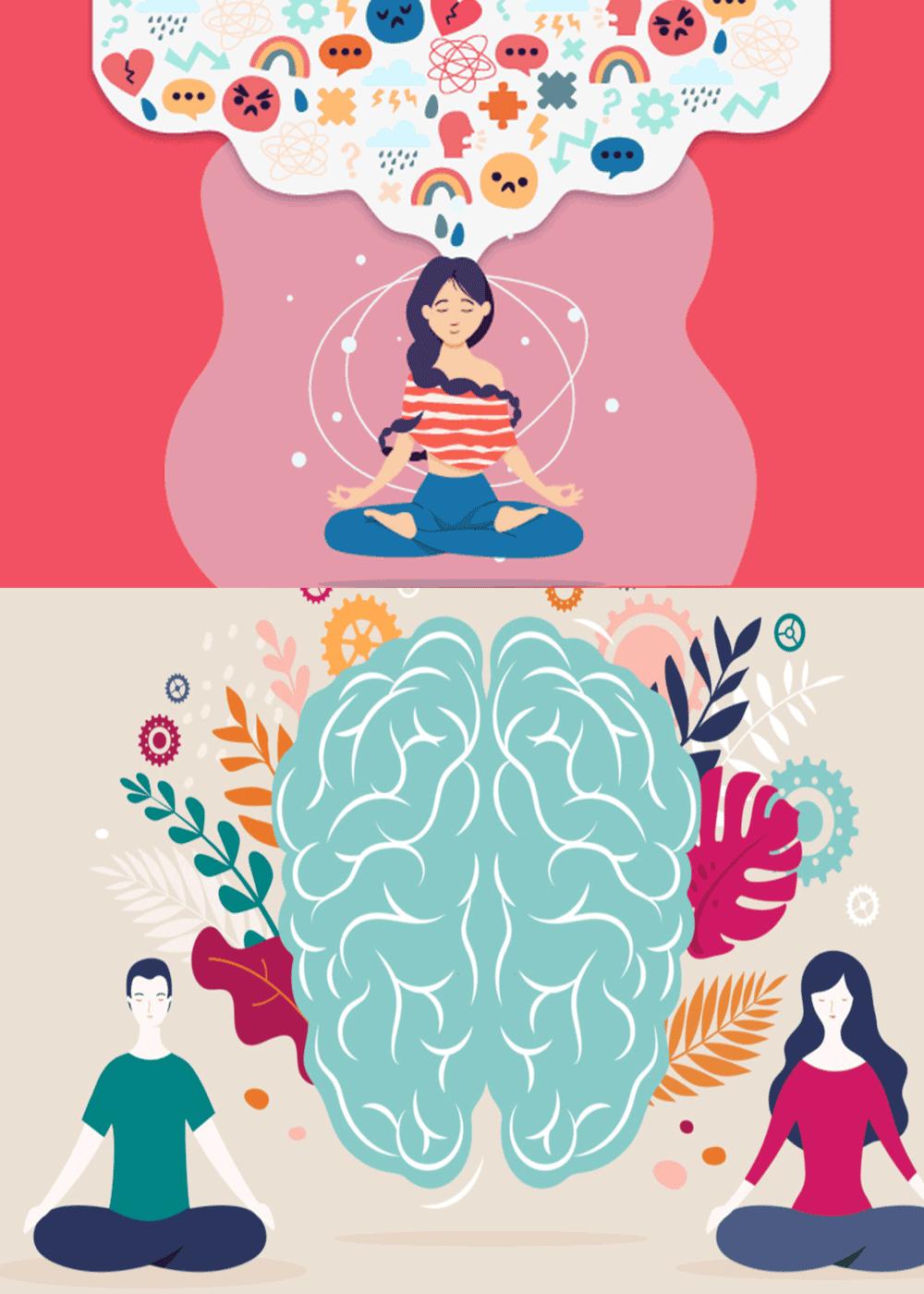
Regular meditation helps lower cortisol levels and improves emotional balance. Even 10–15 minutes daily can make a difference.
2. Stay Physically Active
Exercise reduces stress hormones and releases endorphins, which improve mood and overall health.
3. Follow a Balanced Diet
Include whole foods, fruits, vegetables, and healthy fats. Avoid excessive sugar and processed foods.
4. Prioritize Sleep
Aim for 7–8 hours of quality sleep each night to allow the body to recover and reset.
5. Limit Digital Overload
Take breaks from screens and social media to reduce mental fatigue and anxiety.
6. Build Strong Social Connections
Talking to friends, family, or support groups can significantly reduce stress levels.
The Role of Preventive Healthcare – Stress and chronic diseases
Preventive healthcare focuses on identifying risks early and adopting healthier habits before diseases develop. By managing stress and improving lifestyle choices, individuals can significantly reduce the risk of chronic illnesses.
In fact, small daily changes can have a powerful long-term impact on overall well-being.
Conclusion
Stress and chronic diseases and unhealthy lifestyle habits may seem harmless in the short term, but over time, they can quietly trigger serious chronic diseases. Therefore, taking proactive steps toward mental and physical wellness is not just beneficial—it is essential.
By understanding the mind-body connection and adopting healthier habits, you can protect yourself from long-term health risks and lead a more balanced, fulfilling life.
According to the World Health Organization (WHO), mental health plays a crucial role in Stress and chronic diseases is closely linked to physical health outcomes.
