

Best Cancer Clinical Trials in California | 9 Things to Know
 by

When someone receives a cancer diagnosis, questions about treatment, recovery, and the future can quickly become overwhelming. Patients and families often spend considerable time researching medical options, trying to understand what is available and deciding what questions to ask their healthcare team.
One option worth understanding is cancer clinical trials in California. These research studies help doctors and scientists evaluate new treatments, improve existing approaches, and learn more about different aspects of cancer care.
For some patients, a clinical trial may offer an opportunity to consider an investigational treatment or contribute to research that could improve future cancer care. However, not every study is suitable for every person, and participation always requires careful medical consideration.
Understanding how clinical trials work, where to find them, and what to expect can help patients feel more prepared when discussing their options with an oncologist.
At Community Wellness Collective (CWC), we believe that access to clear information, compassionate guidance, and supportive resources can make navigating a cancer journey feel less overwhelming.
What Are Cancer Clinical Trials?
Cancer clinical trials are medical research studies involving people. Researchers conduct these studies to investigate whether new approaches to cancer prevention, diagnosis, treatment, or supportive care are safe and effective.
Some trials examine treatments that are still being developed, while others investigate improvements to existing therapies or ways to manage treatment-related symptoms.
Depending on their purpose, cancer clinical trials may focus on:
- New treatments: Investigating medications, immunotherapy, targeted therapies, or combinations of treatments.
- Cancer prevention: Exploring approaches that may help reduce cancer risk in specific populations.
- Early detection: Evaluating screening methods and diagnostic techniques.
- Supportive care: Studying ways to manage symptoms, emotional challenges, and treatment-related side effects.
- Survivorship: Exploring approaches that may improve quality of life after cancer treatment.

Clinical trials generally follow different research phases. Early phases primarily examine safety and appropriate dosing, while later phases may compare a new treatment with established treatment approaches.
It is important to remember that an investigational treatment is not automatically better than an existing treatment. Researchers need evidence before determining whether a new approach should become part of standard care.
Why Explore Cancer Clinical Trials in California?
California has a broad healthcare and medical research environment, including universities, hospitals, cancer centers, and research institutions involved in cancer studies.
For patients and families, exploring research opportunities in California may help identify studies that relate to a particular diagnosis, treatment history, or medical situation.
However, finding a nearby study is only the beginning. Patients must also consider eligibility, travel requirements, medical supervision, and the time involved in participating.
What Should Patients Consider?

1. Location and accessibility
Consider how far the research facility is from your home. Some clinical trials require frequent appointments, laboratory testing, or follow-up visits.
2. Cancer type and research focus
Look for studies investigating your specific cancer type or subtype. Some trials also require particular genetic or molecular characteristics.
3. Previous treatment
Your treatment history may influence which studies are suitable. Some trials accept patients who have not started treatment, while others focus on people who have already received specific therapies.
4. Financial and practical arrangements
Ask about transportation, accommodation, insurance coverage, and which expenses may be covered by the study sponsor.
5. Coordination with your existing care
Discuss how participating in a research study could affect your current treatment plan and communication with your regular oncology team.
For people living in the San Francisco Bay Area, travel distance and access to reliable support can be especially important when comparing available research opportunities.
How to Find Cancer Clinical Trials
Knowing how to find cancer clinical trials can make the research process more manageable. Rather than relying on random online searches, patients can begin with established research databases and guidance from their healthcare professionals.
Here are five practical steps.
Step 1: Speak With Your Oncologist

Your oncologist is an important starting point when exploring clinical trials.
They understand your diagnosis, medical history, previous treatments, and current health. They may be able to identify relevant studies or recommend a research institution where you can learn more.
You can also ask whether a clinical trial is worth considering alongside your existing treatment options.
Step 2: Search ClinicalTrials.gov

ClinicalTrials.gov is an official database maintained by the US National Library of Medicine.
It allows patients and families to search for clinical studies using different filters, including:
- Cancer type or medical condition.
- City, state, or ZIP code.
- Recruitment status.
- Age and other eligibility criteria.
- Treatment or intervention being investigated.
When searching for studies that may accept participants, pay particular attention to recruitment status.
A study appearing in the database does not automatically mean it is currently accepting participants at every location. Always verify the information with the research team.
You can begin your search here: Find Clinical Studies on ClinicalTrials.gov.
Step 3: Explore National Cancer Institute Resources
The National Cancer Institute (NCI) offers educational resources and a clinical trial search service.
Its database can help patients explore cancer research studies based on diagnosis, age, and location.
The NCI also provides useful guidance about preparing for a clinical trial search and understanding eligibility requirements.
Explore: Find Cancer Clinical Trials – National Cancer Institute.
Step 4: Review the Study Information Carefully
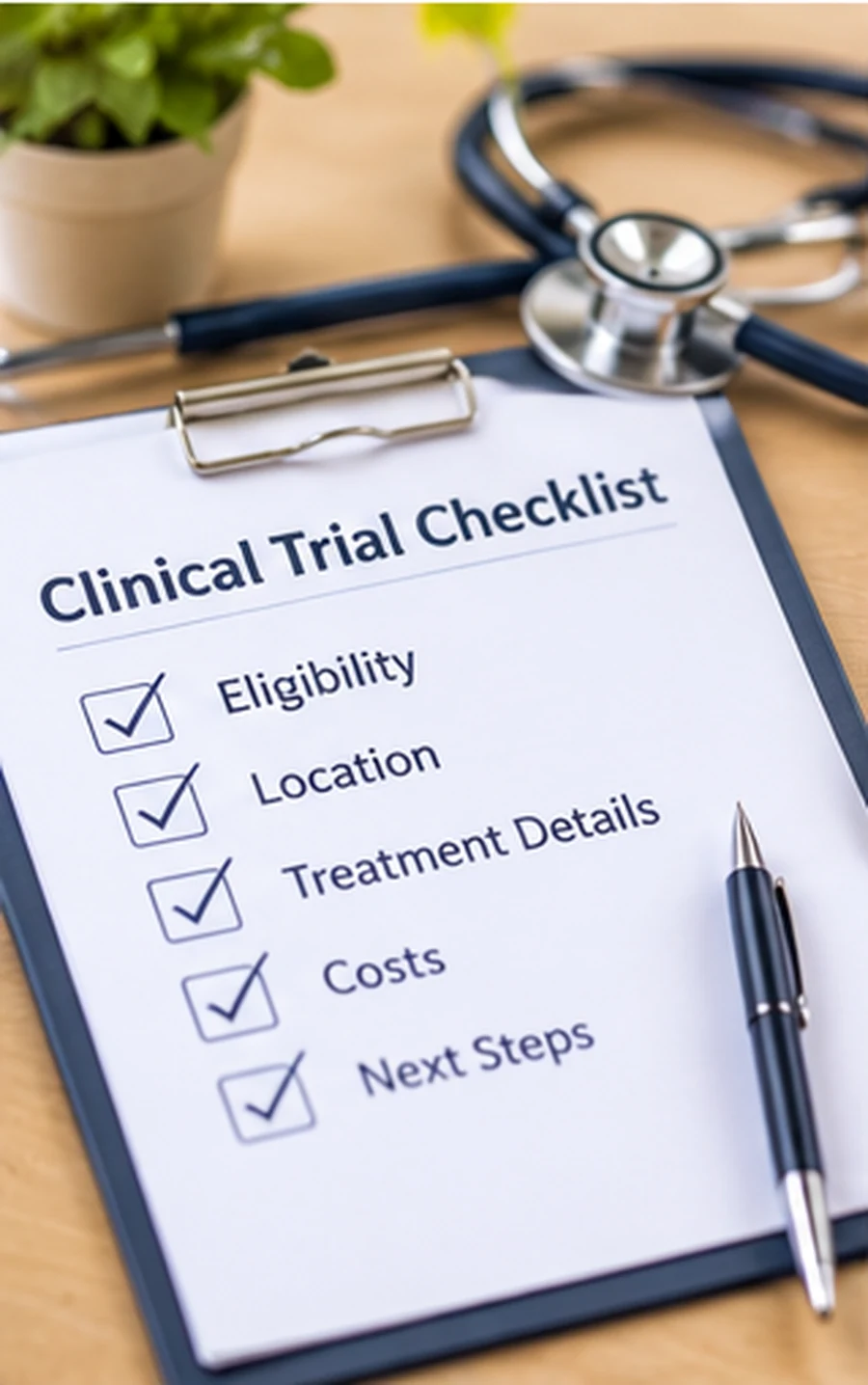
Once you identify a study that appears relevant, take time to understand its purpose and requirements.
Look for information about:
- The treatment or research approach.
- Eligibility and exclusion criteria.
- Study location and recruitment status.
- Expected duration and appointment schedule.
- Potential risks and known side effects.
- Research team contact information.
Do not assume that a study is appropriate simply because its title mentions your cancer type.
Step 5: Discuss Your Findings With Your Healthcare Team
Save the study identification number and relevant details before speaking with your oncologist.
Your medical team can help assess whether the research matches your diagnosis and whether participation could be appropriate based on your individual circumstances.
Remember, finding a study and qualifying for it are two different things.
Understanding Cancer Clinical Trial Eligibility
One of the most common concerns patients have is whether they qualify for a clinical trial.
Cancer clinical trial eligibility refers to the specific medical and personal requirements that participants must meet before joining a research study.
Each trial has its own criteria. These requirements help researchers select appropriate participants and protect their safety.
Common Factors That Affect Eligibility
Cancer type and stage
A study may focus on a particular cancer type, such as breast cancer, lung cancer, colorectal cancer, or blood cancer. Some trials are designed for specific stages of disease.
Previous cancer treatments
Researchers may consider whether a patient has previously received chemotherapy, radiation therapy, surgery, immunotherapy, or targeted treatment.
Age requirements
Some clinical trials are designed for adults, while others may include children or older adults. Age limits vary by study.
Overall health
Medical history, current health conditions, organ function, and certain medications may influence eligibility.
Genetic and molecular information
Some research studies require specific genetic changes or biomarkers within a tumor. These characteristics can help researchers identify participants who match the treatment being studied.
What Are Inclusion and Exclusion Criteria?
Clinical trial protocols generally include two important sets of requirements.
Inclusion criteria describe the characteristics a person must have to be considered for participation.
Exclusion criteria identify circumstances that may prevent someone from joining a particular study.
For example, a trial may require a specific cancer subtype but exclude individuals who have received certain previous treatments.
Being ineligible for one clinical trial does not necessarily mean someone cannot qualify for another.
For more information, read the National Cancer Institute’s guide to clinical trial eligibility.
Benefits and Risks of Cancer Clinical Trials

Understanding the benefits and risks of cancer clinical trials is an essential part of making an informed healthcare decision.
While research participation may offer opportunities to explore investigational approaches, every study has potential limitations and uncertainties.
It is important to understand both sides before deciding whether to participate.
Potential Benefits of Clinical Trials
1. Access to investigational treatments
Some clinical trials provide access to treatments that are still being studied and may not yet be widely available.
2. Contributing to medical research
Participation can help researchers understand how cancer treatments work and contribute to knowledge that may benefit future patients.
3. Regular study monitoring
Participants generally receive medical assessments and monitoring according to the study protocol. The exact level of monitoring varies between studies.
4. Exploring additional treatment approaches
For eligible individuals, a clinical trial may provide another option to discuss with their oncologist when considering available treatments.
Potential Risks and Challenges
1. Unknown side effects
Investigational treatments may have side effects that researchers do not fully understand yet.
2. No guaranteed medical benefit
A treatment being studied may not work as expected. Participation does not guarantee better results than standard treatment.
3. Additional medical appointments
Some studies require frequent visits, laboratory tests, imaging, or other procedures.
4. Different treatment assignments
Certain clinical trials use randomization, meaning participants are assigned by chance to different treatment groups.
5. Financial and travel considerations
Patients may need to consider transportation, accommodation, time away from work, and expenses that may not be covered by the study.
Understanding Informed Consent
Before joining a clinical trial, participants go through an informed consent process.
During this process, the research team explains the study’s purpose, procedures, possible risks, potential benefits, alternatives, and other important details.
Patients should have an opportunity to ask questions and understand the information before deciding whether to participate.
Participation is voluntary, and individuals can generally withdraw from a study. They should discuss any planned withdrawal with the research team so appropriate follow-up care can be arranged.
For additional guidance, visit the National Institutes of Health clinical research information page.
Questions to Ask Before Joining a Cancer Clinical Trial

Considering a clinical trial can bring up many questions. Patients may feel uncertain about treatment changes, side effects, appointment schedules, and what participation will mean for everyday life.
Preparing questions before meeting the research team can help make the conversation more useful.
Here are 15 questions worth discussing.
Questions About the Study
- What is the main purpose of this clinical trial?
- What treatment or medical approach is being investigated?
- Why do researchers believe this approach may be helpful?
- How long will participation last?
- How frequently will I need to visit the research center?
Questions About Safety and Treatment
- What side effects or complications are currently known?
- What medical monitoring will be provided?
- Will I need additional tests or procedures?
- What happens if the treatment does not work?
- What happens if my health changes during the study?
Questions About Financial and Practical Considerations
- Which research-related expenses will be covered?
- Which medical expenses might my insurance cover?
- Are transportation or accommodation expenses supported?
- Who should I contact if I experience side effects?
- Can I leave the study if I change my mind?
Patients should feel comfortable asking for explanations whenever something is unclear. A research team should be willing to discuss the study and explain its requirements.
For further preparation, explore the NCI guide to finding a clinical trial.
How to Prepare for a Clinical Trial Discussion

A little preparation can make an important medical conversation easier to navigate.
Before meeting your oncologist or a research coordinator, consider organizing a personal medical information folder.
Keep Important Medical Records Together
Useful documents may include:
- Recent pathology and diagnostic reports.
- Information about cancer type and stage.
- Previous and current treatment records.
- Relevant laboratory and imaging reports.
- Current medication and supplement lists.
- Questions or concerns you would like to discuss.
Having this information available can help your healthcare team understand your medical background and assess whether a particular study may be relevant.
Bring Someone You Trust
Cancer-related discussions can involve unfamiliar medical terminology and a considerable amount of information.
A family member, caregiver, or trusted friend may help you remember important details, take notes, and discuss your options afterward.
Take Time to Understand Your Options
You do not need to understand everything during a single appointment.
Ask the research team to explain unfamiliar terms in everyday language. Request written information when available, and take enough time to consider what participation could mean for you and your family.
A well-informed decision is more valuable than a rushed decision.
The Importance of Family and Community Support
Exploring clinical trials is not only a medical process. It can also affect emotional well-being, family responsibilities, finances, and everyday routines.
Patients may feel hopeful about new research opportunities while also experiencing uncertainty about possible side effects or treatment outcomes.
Family members and caregivers can provide meaningful support during this time.
They may help with:
- Organizing medical information and appointments.
- Attending consultations and taking notes.
- Arranging transportation.
- Understanding research information.
- Managing everyday responsibilities.
- Providing emotional encouragement.
Community resources can also help individuals feel less isolated.
At Community Wellness Collective, we recognize that each person’s cancer experience is different. Through our Navigate Cancer initiative, we aim to make educational guidance, trusted resources, and human-centered support more accessible to individuals and families.
Our approach recognizes the importance of the whole person, including emotional, practical, and community needs alongside medical care.
You can also explore our integrative healing resources to learn more about supportive approaches to well-being throughout the cancer journey.
Making an Informed Decision About Cancer Research
There is no single answer to whether participating in a clinical trial is the right choice for every patient.
Each person’s diagnosis, medical history, treatment preferences, and personal circumstances are different.
Some people may find a clinical trial worth exploring, while others may prefer an established treatment approach. Both decisions deserve respect and careful consideration.
Before making a decision, discuss available options with your oncologist, understand the potential risks, and ask the research team to explain the study in detail.
Cancer research continues to contribute to medical knowledge and the development of future treatment approaches. By learning about clinical trials, patients and families can become more informed participants in conversations about their healthcare.
Find Guidance Along Your Cancer Journey

Understanding cancer research and treatment information can feel overwhelming, especially when several important decisions need to be made.
You do not have to navigate every question alone.
Community Wellness Collective’s Navigate Cancer initiative aims to connect individuals and families with educational resources, trusted information, compassionate guidance, and meaningful community support.
Our goal is to help people approach challenging health journeys with greater clarity, understanding, and connection.
Explore Navigate Cancer by Community Wellness Collective to learn more about available educational and supportive resources.
Frequently Asked Questions About Cancer Clinical Trials in California
1. How can I find cancer clinical trials in California?
You can search ClinicalTrials.gov by entering your cancer type, location, and preferred search filters. The National Cancer Institute also provides a clinical trial search service. Discuss relevant studies with your oncologist before considering participation.
2. Who is eligible to participate in cancer clinical trials?
Eligibility depends on the individual study. Researchers may consider cancer type, disease stage, age, previous treatment, medical history, current health, and specific tumor biomarkers.
3. Are cancer clinical trials safe?
Clinical trials follow established research protocols and include safety monitoring, but no study is completely risk-free. The specific risks depend on the treatment and study design. Patients should discuss known and possible side effects with the research team.
4. Do cancer clinical trials provide free treatment?
Costs vary between studies. Some research-related expenses may be covered by the study sponsor, while routine medical care and other expenses may be handled differently. Always ask the research coordinator and your insurance provider for clarification.
5. Can I leave a cancer clinical trial after joining?
Participation is generally voluntary, and participants can decide to withdraw. Discuss your decision with the research team so they can explain any recommended follow-up care and safety considerations.
6. Do clinical trials only involve experimental cancer drugs?
No. Cancer clinical trials may investigate new treatments, screening methods, prevention approaches, diagnostic techniques, supportive care, and ways to improve the quality of life for people affected by cancer.
7. Will joining a clinical trial replace my current cancer treatment?
Not necessarily. Some clinical trials examine new treatments alongside standard care, while others investigate different treatment approaches. The study protocol determines what care is involved. Always discuss potential treatment changes with your oncologist.
8. What should I ask before joining a clinical trial?
Ask about the study’s purpose, eligibility requirements, possible benefits, risks, side effects, treatment alternatives, appointment schedule, costs, insurance coverage, and how your medical care will be coordinated.
Final Thoughts
Exploring cancer clinical trials in California can help patients and families learn about medical research and understand the options they may wish to discuss with their healthcare professionals.
Reliable information, thoughtful conversations, and support from trusted people can make the process easier to navigate.
Take your time, ask questions, and make decisions based on your individual medical needs and personal priorities.
At Community Wellness Collective, we believe everyone deserves access to understandable information, compassionate guidance, and a supportive community throughout their health journey.
Medical Disclaimer: This article is intended for general educational purposes only. It does not provide medical advice, diagnosis, or treatment recommendations. Clinical trial availability and eligibility can change. Always consult your oncologist and the research team responsible for a study before making decisions about clinical trial participation.
