
Best Cancer Education Articles for Patients and Families
 by

Finding reliable information during a cancer journey can feel overwhelming. Patients, survivors, caregivers, and family members often have questions about diagnosis, treatment options, emotional well-being, nutrition, follow-up care, and everyday support. Access to clear, understandable information can help them prepare for conversations with healthcare professionals and better understand the questions they may need to ask.
Community Wellness Collective (CWC) brings together cancer education articles for patients and families to support learning, awareness, and well-being throughout the cancer journey. Our educational resources explore different aspects of cancer care, including cancer navigation, emotional wellness, nutrition, survivorship, and caregiver support.
Whether you are learning about a new diagnosis, supporting a loved one during treatment, or navigating life after cancer, myCWC provides educational content to help you explore relevant topics and discover additional resources.
What Are Cancer Education Resources?
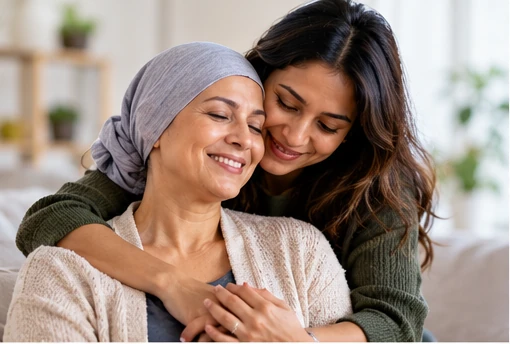
Cancer education resources are informational materials that help patients, families, and caregivers understand cancer-related topics in clear, accessible language. They may include educational articles, guides, frequently asked questions, support resources, and information to help people prepare for healthcare appointments.
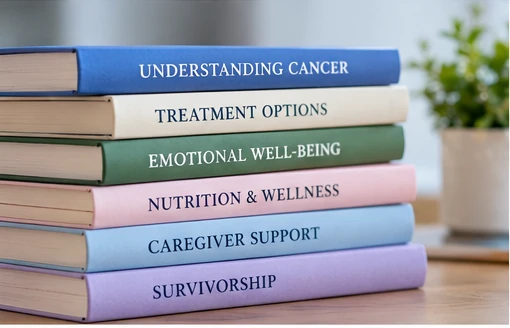
Reliable cancer education resources can help readers explore subjects such as:
- Understanding cancer terminology and diagnostic information.
- Preparing questions for doctors and oncology teams.
- Learning about cancer treatment processes and follow-up care.
- Exploring emotional well-being and coping strategies.
- Understanding nutrition and general wellness considerations.
- Finding information about survivorship and caregiver support.
Every person’s experience is different. Therefore, educational materials should help people ask informed questions without suggesting that one approach is appropriate for everyone.
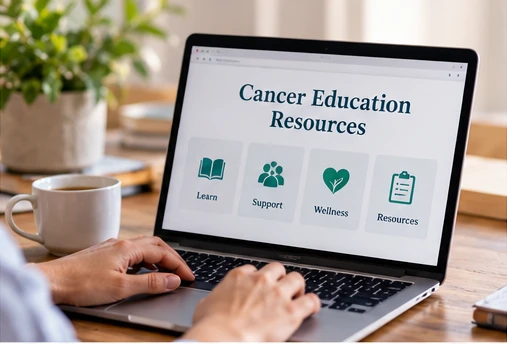
Explore Navigate Cancer by Community Wellness Collective to learn about educational guidance and supportive resources for different stages of the cancer journey.
Why Cancer Care Information for Families Matters
A cancer diagnosis can affect more than the individual receiving care. Family members and close friends may also face uncertainty, emotional pressure, new responsibilities, and questions about how to provide meaningful support.
Cancer care information for families can help loved ones understand how to participate in care discussions, communicate respectfully, and identify practical ways to assist.
Understanding a Cancer Diagnosis
Medical terminology, test results, and discussions about treatment can introduce unfamiliar concepts. Educational articles can provide general explanations and help patients prepare questions for their healthcare team.
For example, patients and family members may want to ask what a diagnosis means, which treatment options are being considered, what side effects may occur, and what follow-up appointments involve.
Personal test results and treatment decisions should always be discussed with qualified healthcare professionals.
Supporting Emotional Well-Being
Cancer can bring fear, uncertainty, frustration, sadness, and changes in everyday life. Patients and families may benefit from learning about coping strategies, communication, counseling, and community support.
Read our resources on culturally guided cancer wellness in San Francisco to explore the importance of understanding individual and cultural needs when seeking support.
Helping Caregivers Navigate Responsibilities
Caregivers may help with appointments, transportation, household responsibilities, communication, and emotional support. Learning about caregiving can help families identify what assistance is needed and recognise when they also need support.
Explore cancer caregiver resources in the San Francisco Bay Area for related educational guidance.
Educational Resources for People Affected by Cancer
Cancer education can be useful at different stages, from early awareness and diagnosis to treatment, ongoing monitoring, and survivorship. The information most relevant to one person may differ from what another patient or family needs.
Cancer Awareness and Diagnosis
Education can help people understand general cancer-related concepts, prepare questions, and learn about the importance of appropriate screening and medical evaluation. Readers should rely on qualified healthcare professionals for guidance about personal symptoms, screening schedules, and diagnostic results.
Treatment Information and Care Coordination
During treatment, patients may need to manage appointments, communicate with different healthcare professionals, understand instructions, and organise important documents.
Our article on trusted cancer care coordination explores the role of organisation and guidance in navigating a complex healthcare journey.
Educational resources can help patients identify questions and understand information. They should not make treatment decisions on a patient’s behalf or replace advice from the oncology team.
Survivorship and Life After Treatment
Life after active treatment can bring new questions about follow-up appointments, emotional adjustment, fatigue, daily routines, and long-term well-being.
Learn more through our guide to cancer survivorship support in the Bay Area, which explores support and resources for people navigating life after treatment.
Nutrition and Whole-Person Wellness
Nutrition and general wellness may become important considerations during and after cancer treatment. However, nutritional needs can vary according to a person’s medical circumstances, treatment, symptoms, and professional recommendations.
Readers should discuss significant dietary changes, supplements, and individual nutrition concerns with their healthcare team or a qualified nutrition professional.
CWC’s educational approach also recognises the importance of emotional, social, practical, and family needs alongside medical care.
How to Find Reliable Cancer Education Resources
With so much health information available online, choosing appropriate sources is essential. Not every website provides accurate, current, or suitable information.
When reviewing cancer education articles, consider the following points:
Look for trustworthy sources. Prefer information from established cancer organisations, government health agencies, recognised healthcare institutions, and appropriately qualified professionals.
Check the publication or review date. Medical knowledge changes, so current information is particularly important when exploring treatment developments or healthcare recommendations.
Distinguish education from medical advice. General articles can explain concepts, but your healthcare team is best placed to interpret your diagnosis and discuss treatment options for your situation.
Be cautious about guaranteed results. Be wary of websites promising a cancer cure, recommending that you abandon prescribed treatment, or promoting unproven remedies as replacements for medical care.
Prepare questions before appointments. Write down what you want to understand, take notes during discussions when appropriate, and ask your healthcare professional to clarify unfamiliar terms.
For evidence-based information, explore the National Cancer Institute’s cancer information and coping resources. The American Cancer Society’s caregiver resource guide also provides information for people supporting loved ones with cancer.
Where Can Families Find Reliable Cancer Education?

Families can find reliable cancer education through established cancer organisations, government health agencies, oncology teams, patient education programmes, and community support organisations.
Community Wellness Collective offers educational articles covering cancer navigation, caregiver support, survivorship, emotional well-being, and related wellness topics. Families can begin with the Navigate Cancer programme and explore articles relevant to their circumstances.
For individual medical questions, consult the patient’s healthcare team. Use educational resources to build understanding, prepare questions, and explore appropriate support—not to replace medical diagnosis or treatment advice.
Frequently Asked Questions About Cancer Education
What are cancer education articles for patients and families?
Cancer education articles explain cancer-related topics in accessible language. They may cover diagnosis, treatment processes, emotional health, nutrition, caregiving, survivorship, and questions to discuss with healthcare professionals.
Why are cancer education resources important?
Cancer education resources can help patients and families understand unfamiliar terminology, organise questions, explore supportive services, and participate more confidently in conversations with their healthcare team.
Where can families find reliable cancer care information?
Families can start with the National Cancer Institute, the American Cancer Society, their oncology team, and reputable patient education organisations. Community Wellness Collective also provides educational articles and resources through its Navigate Cancer programme.
How can family members support someone with cancer?
Family members can listen, ask how the person prefers to receive support, help organise appointments when requested, assist with everyday responsibilities, and respect the patient’s choices. Caregivers should also recognise their own needs and seek support when necessary.
Can cancer education articles replace a doctor’s advice?
No. Articles provide general educational information. Diagnosis, treatment recommendations, medication questions, and decisions about personal medical care should be discussed with qualified healthcare professionals.
What educational resources are available for cancer survivors?
Cancer survivors may find information about follow-up care, emotional adjustment, everyday wellness, long-term health considerations, and community support useful. The specific needs of each survivor should guide the resources they explore with their healthcare team.
Explore Cancer Education Resources at myCWC

Learning about cancer does not have to mean finding every answer at once. Start with the questions that matter most to you, explore credible information, and discuss personal medical concerns with the appropriate professionals.
Community Wellness Collective aims to make cancer education more accessible through resources that recognise the needs of patients, survivors, families, and caregivers. From understanding cancer-related information to exploring supportive wellness and survivorship, our articles provide a place to begin.
Explore myCWC’s cancer education and wellness resources and Navigate Cancer to discover relevant educational information for your journey.
Important note: Community Wellness Collective’s educational and wellness resources are intended to complement professional healthcare. They do not replace medical diagnosis, treatment, or advice from a qualified healthcare professional.
