

Colon Cancer Symptoms: 10 Warning Signs | CWC
 by

Colon Cancer Symptoms : 10 Warning Signs and When to Seek Care
Colon cancer symptoms can sometimes be difficult to recognize, especially during the early stages when the disease may not cause noticeable changes. However, understanding potential warning signs can help you recognize unusual changes in your health and know when to seek medical advice.
Colon cancer develops in the colon, which is part of the large intestine. It is a type of colorectal cancer, a term that includes cancers of both the colon and rectum. Although symptoms such as blood in the stool, persistent abdominal discomfort, and changes in bowel habits may have several causes, they should not be ignored.
At Community Wellness Collective (CWC), we believe that accessible cancer education helps individuals and families prepare for informed conversations with healthcare professionals. This guide explains common colon cancer symptoms, screening considerations, and practical steps to discuss concerns with your doctor.
What Are the Common Colon Cancer Symptoms?
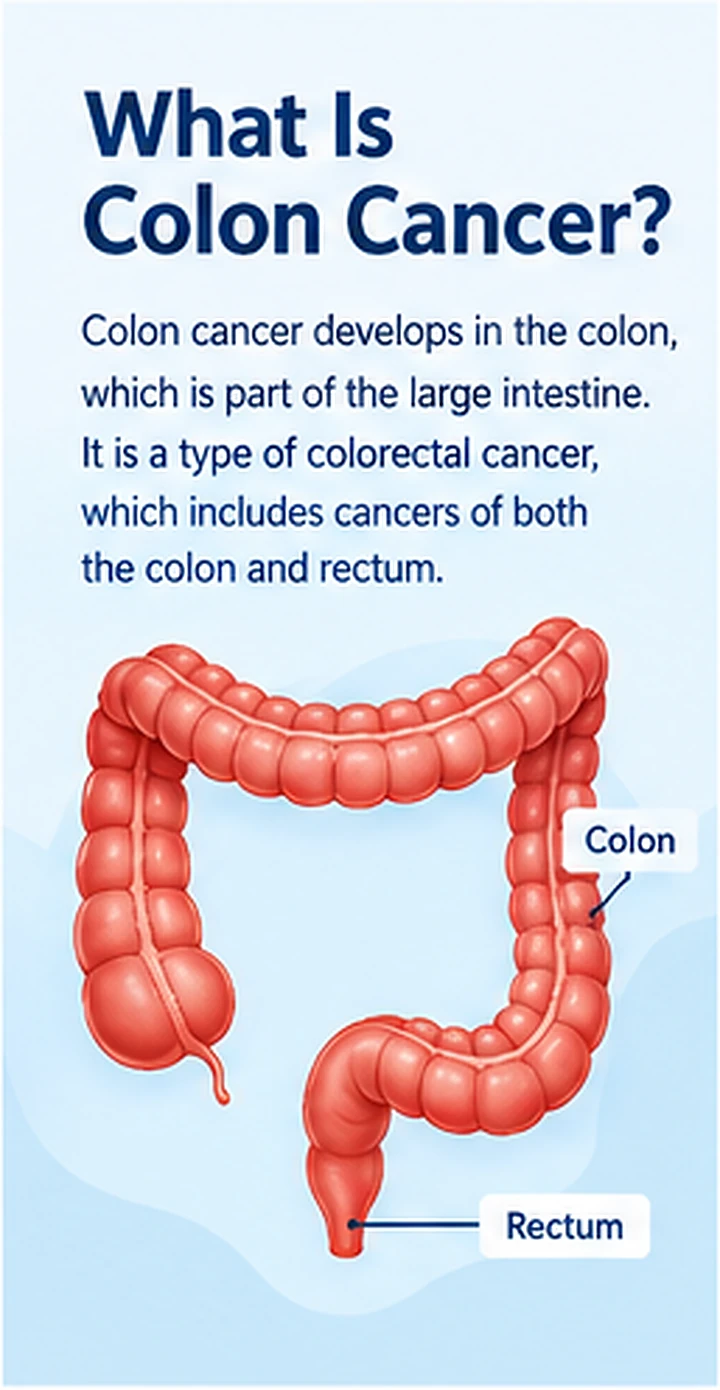
Colon cancer symptoms can vary from person to person. Some people experience changes in bowel habits, while others notice fatigue, abdominal discomfort, or unexplained weight loss. In some cases, there may be no noticeable symptoms at all.
According to the Centers for Disease Control and Prevention (CDC), colorectal cancer and precancerous polyps do not always cause symptoms. Therefore, recommended screening remains important even when you feel healthy.
Here are 10 warning signs to understand.
1. Persistent Changes in Bowel Habits

A noticeable change in your usual bowel pattern may be one of the possible colon cancer symptoms. You might experience more frequent bowel movements, difficulty passing stool, or changes in the consistency of your stool.
Pay attention to changes that are new, persistent, or different from your usual pattern. Although temporary bowel changes are common, ongoing changes deserve medical evaluation.
2. Ongoing Diarrhea
Diarrhea can occur for many reasons, including infections, food sensitivities, medications, and digestive conditions. However, diarrhea that persists or repeatedly returns without an obvious explanation should be discussed with a healthcare professional.
Your doctor can assess how long symptoms have lasted and determine whether additional tests are appropriate.
3. Persistent Constipation
Constipation involves difficulty passing stool, infrequent bowel movements, or stools that are difficult to pass. A persistent change in bowel habits may sometimes be associated with colorectal cancer.
Constipation alone does not mean that a person has cancer. Nevertheless, new or ongoing constipation, particularly when accompanied by other warning signs, should be assessed.
4. Feeling That Your Bowel Has Not Emptied Completely
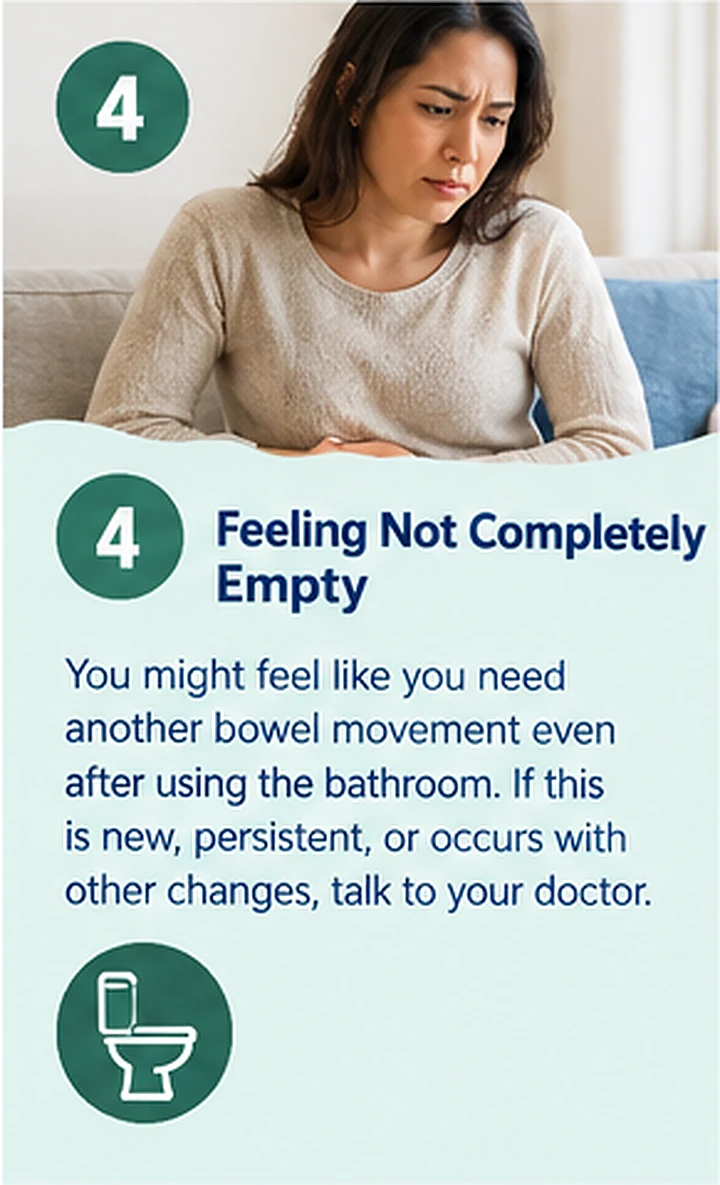
Some people experience a continuing sensation that they need another bowel movement even after using the bathroom.
This feeling can occur with several digestive conditions. If it is new, persistent, or accompanied by other changes in bowel habits, discuss it with your healthcare provider.
5. Blood in the Stool or Rectal Bleeding
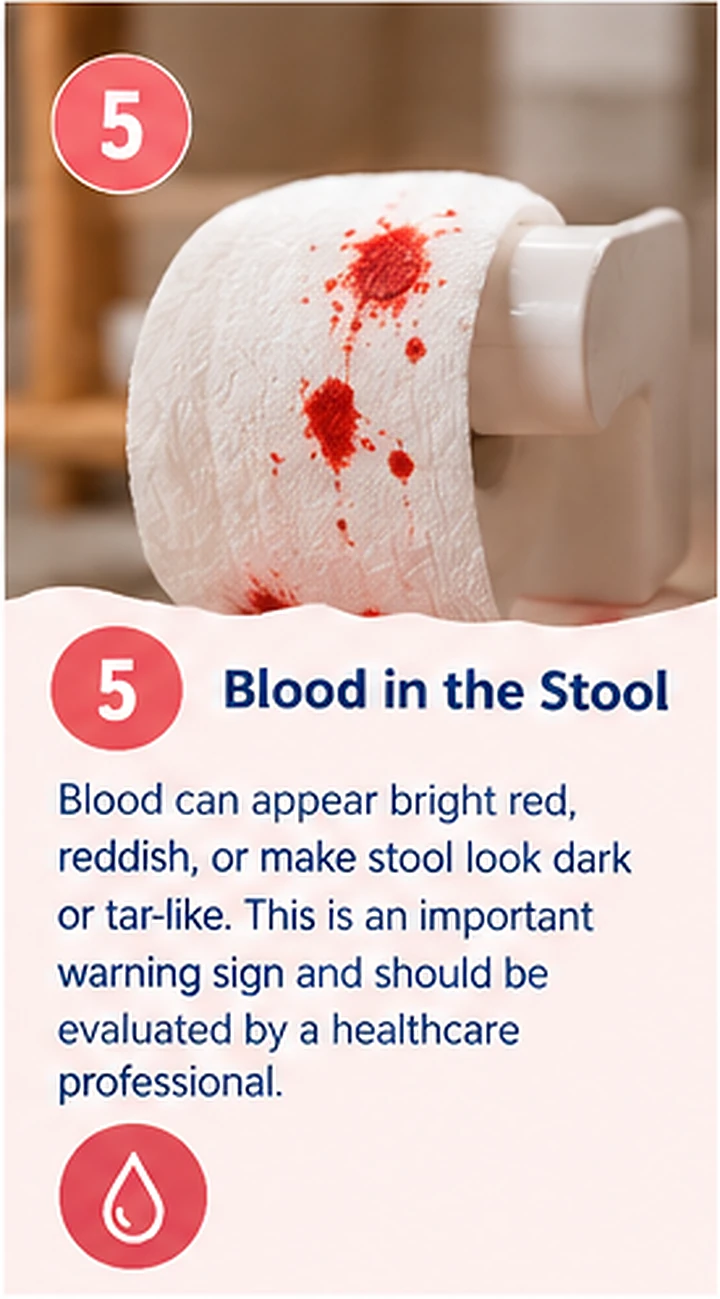
Blood in or on the stool is an important warning sign that needs medical evaluation. You might notice bright red blood, reddish streaks, or darker stool that appears black or tar-like.
Bleeding can also result from hemorrhoids, anal fissures, inflammation, or other conditions. However, you should not automatically assume that hemorrhoids are responsible.
Contact a healthcare professional promptly if you notice blood in your stool. Seek urgent medical attention for heavy bleeding, dizziness, fainting, or other severe symptoms.
6. Dark or Unusually Narrow Stools
A change in stool appearance can sometimes indicate a digestive problem. Blood may make stool appear unusually dark or black, while some people notice stool that is consistently narrower than usual.
These changes are not specific to colon cancer and can have other explanations. If you notice persistent or unexplained changes, discuss them with your doctor.
7. Abdominal Pain or Persistent Cramping

Ongoing abdominal pain, cramps, pressure, or discomfort can occur among people with colorectal cancer. Some individuals may also experience bloating or a persistent feeling of fullness.
Digestive infections, constipation, irritable bowel syndrome, and other conditions can cause similar symptoms. The duration, severity, and combination of symptoms help a healthcare professional determine the appropriate next steps.
Do not ignore severe or worsening abdominal pain, especially when accompanied by repeated vomiting or an inability to pass stool or gas.
8. Unexplained Weight Loss

Losing weight without intentionally changing your diet or physical activity may be a sign of an underlying health issue.
Unexplained weight loss has many possible causes, including digestive disorders and other medical conditions. If your weight is dropping without a clear reason, arrange a medical assessment rather than relying on lifestyle changes alone.
9. Persistent Fatigue or Weakness
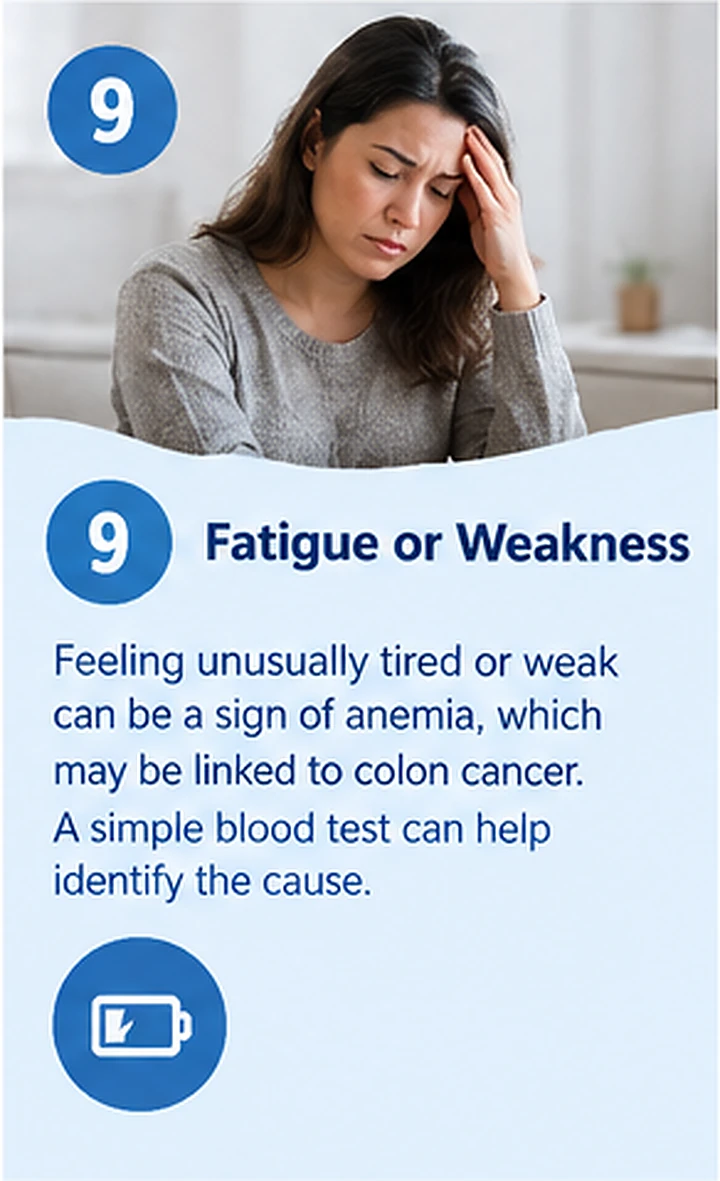
Feeling unusually tired or weak despite adequate rest can have numerous causes. In some people, colorectal cancer causes gradual blood loss, which can contribute to iron-deficiency anemia.
Anemia may lead to tiredness, weakness, reduced exercise tolerance, or shortness of breath. A healthcare professional may recommend blood tests to investigate these symptoms and identify their cause.
10. Low Iron Levels or Iron-Deficiency Anemia
Iron-deficiency anemia means the body does not have enough healthy red blood cells to carry oxygen effectively because of insufficient iron.
In some cases, unexplained iron-deficiency anemia can be associated with bleeding in the digestive tract. It does not automatically indicate cancer, but it should be investigated, particularly when the cause is unclear.
Your doctor can review your blood test results, medical history, and symptoms to determine whether further evaluation is necessary.
Can Colon Cancer Cause Symptoms in the Early Stages?
Colon cancer may not cause noticeable symptoms during its early stages. Some people feel well even when precancerous polyps or colorectal cancer are present.
That is why screening and symptom awareness serve different purposes. Screening looks for signs of cancer or precancerous changes in people who do not have symptoms, while diagnostic testing helps investigate concerning symptoms or abnormal findings.
Do not wait for symptoms to become severe before seeking medical advice. Similarly, the absence of symptoms does not mean that you can automatically skip recommended screening.
For additional educational information, explore the CWC Cancer Prevention and Risk Awareness resource.
When Should You Talk to a Doctor About Colon Cancer Symptoms?

Contact a healthcare professional if you notice persistent bowel changes, unexplained weight loss, ongoing abdominal discomfort, fatigue with possible anemia, or blood in your stool.
You should seek assessment regardless of your age if you develop concerning symptoms. Screening age recommendations are intended for people without symptoms and should not be used as a reason to delay an evaluation.
Seek urgent medical attention for heavy rectal bleeding, fainting, severe abdominal pain, or repeated vomiting. Severe abdominal swelling with an inability to pass stool or gas may also require emergency assessment.
A healthcare professional can review your symptoms, examine your medical history, and recommend appropriate tests. Finding the cause early can help ensure that you receive suitable care for the condition involved.
How Is Colon Cancer Diagnosed?
When colon cancer is suspected, a healthcare professional may recommend one or more tests based on your symptoms and medical history.
Common diagnostic approaches can include:
Medical history and examination: Your doctor reviews your bowel changes, symptoms, family history, medications, and other relevant factors.
Blood tests: These may identify anemia or other findings that need further investigation. A blood test alone cannot rule out colon cancer.
Stool tests: Depending on the circumstances, stool tests may look for hidden blood or other signs that require further assessment.
Colonoscopy: A specialist examines the inside of the colon using a flexible camera. Tissue samples or polyps can often be removed during the procedure for further examination.
Biopsy and additional testing: If an abnormal area is found, a tissue sample may be examined to determine whether cancer is present.
The appropriate diagnostic plan depends on the individual. For more information about navigating cancer-related questions, visit Navigate Cancer at CWC.
Who Should Consider Colorectal Cancer Screening?
In the United States, adults at average risk are generally advised to begin colorectal cancer screening at age 45. Screening options include certain stool-based tests and visual examinations, such as colonoscopy.
However, screening recommendations may differ for people with a family history of colorectal cancer, previous colorectal polyps, inflammatory bowel disease, or certain inherited conditions. These individuals may need an earlier or more personalized screening plan.
Talk with your healthcare provider about which test is appropriate, how often you should repeat it, and how your personal and family medical history may affect your risk.
Importantly, if you already have symptoms, ask about diagnostic evaluation rather than treating a routine screening test as a substitute for medical assessment.
You can review further guidance through the CDC’s colorectal cancer screening information.
How Can Patients and Families Prepare for a Medical Appointment?
When discussing possible colon cancer symptoms with a healthcare professional, preparation can make the appointment more useful.
Consider writing down:
When each symptom began and whether it is getting better or worse.
Changes in bowel habits, stool appearance, appetite, or body weight.
Any medicines or supplements you take.
A personal or family history of colorectal cancer, polyps, or relevant digestive conditions.
Questions about recommended tests, possible causes, and follow-up steps.
Bring relevant medical records or previous test results when available. Ask your healthcare professional to explain unfamiliar terms and what to expect from any recommended investigation.
Patients and families may also benefit from reliable educational resources that help them understand medical discussions and organize questions. CWC’s educational resources are intended to complement—not replace—individualized guidance from qualified healthcare professionals.
Frequently Asked Questions About Colon Cancer Symptoms
What are the first signs of colon cancer?
Possible warning signs include changes in bowel habits, blood in the stool, persistent abdominal discomfort, unexplained weight loss, and fatigue related to anemia. Colon cancer may not cause noticeable symptoms early, so screening remains important.
Can colon cancer cause symptoms without pain?
Yes. Some people may notice blood in their stool, persistent changes in bowel habits, anemia, or unexplained weight loss without experiencing abdominal pain. Others may have no noticeable symptoms.
Does blood in the stool always mean colon cancer?
No. Hemorrhoids, anal fissures, inflammation, and other conditions can cause rectal bleeding. However, blood in the stool should be medically evaluated to determine the cause.
At what age should colorectal cancer screening begin?
In the United States, average-risk adults are generally advised to begin screening at age 45. People with increased risk may need screening earlier or more frequently. Anyone experiencing concerning symptoms should seek medical advice regardless of age.
Can colon cancer be present without symptoms?
Yes. Colon cancer and precancerous polyps may be present without obvious symptoms. Recommended screening can help identify potential problems before symptoms develop.
What should I do if I have several colon cancer symptoms?
Arrange a medical assessment and explain all the symptoms you have noticed, including when they began and how they have changed. Do not attempt to diagnose yourself from a symptom list. Seek urgent care if you experience severe or rapidly worsening symptoms.
Conclusion: Understand Colon Cancer Symptoms and Take the Next Step
Understanding colon cancer symptoms can help you recognize changes that deserve medical attention. Persistent bowel changes, blood in the stool, unexplained weight loss, abdominal discomfort, and unusual fatigue are among the signs that should not be ignored.
At the same time, these symptoms can have many causes, and a symptom alone cannot establish a cancer diagnosis. Consult a qualified healthcare professional for an appropriate evaluation and follow the screening recommendations that apply to your circumstances.
Community Wellness Collective supports patients, survivors, caregivers, and families with educational resources designed to make the cancer journey easier to understand. Explore our cancer education articles for patients and families to learn more about cancer awareness, care navigation, and supportive resources.
