
Powerful Cancer Recovery Support In California
 by

Cancer Recovery Support In California : A Practical Guide for Patients
Cancer recovery is a personal journey that can continue long after active treatment ends. Patients may need time to regain strength, adjust to changes in daily life, manage emotions, attend follow-up appointments, and reconnect with family and community. During this period, cancer recovery support can help individuals and families find reliable information, organize practical responsibilities, and understand where to turn for guidance.
Recovery looks different for everyone. Some people focus on rebuilding everyday routines, while others need assistance with emotional well-being, nutrition, transportation, caregiving, or long-term follow-up. Having the right support system can make these challenges easier to navigate.
Community Wellness Collective (CWC) shares educational resources and community-centered guidance to help people navigate complex health journeys with greater clarity, compassion, and connection.
What Is Cancer Recovery Support?
Cancer recovery support includes the practical, emotional, educational, and community resources that help people navigate life during and after cancer treatment. Depending on an individual’s circumstances, this support may involve family members, healthcare professionals, counselors, patient navigators, community organizations, or cancer support groups.
Recovery is not always a straight path. A person may feel relieved when treatment ends but still experience uncertainty, fatigue, emotional changes, or questions about what comes next. Others may need support while continuing treatment or adjusting to long-term effects.
A recovery plan should reflect each person’s medical needs, preferences, family circumstances, and goals. Supportive resources complement professional cancer care; they do not replace medical treatment or advice from a qualified healthcare professional.
Why Is Support Important After Cancer Treatment?
Finishing treatment can be an important milestone, but it does not necessarily mean that every physical, emotional, or practical challenge has ended. Patients may still have follow-up appointments, medication questions, lifestyle adjustments, or concerns about returning to their normal routines.
Reliable cancer recovery support can help patients and families focus on a few important priorities.
-
Clear information: Understand follow-up instructions and know where to find trustworthy educational resources.
-
Emotional well-being: Find appropriate support when anxiety, uncertainty, sadness, or isolation becomes difficult to manage.
-
Practical organization: Keep appointments, medical information, questions, and responsibilities organized.
-
Family communication: Help loved ones understand their roles while respecting the patient’s preferences and independence.
-
Community connection: Explore appropriate resources and opportunities to connect with others who understand the cancer experience.
The goal is not to rush recovery. It is to help people identify useful resources and take manageable steps at their own pace.
7 Ways to Find Cancer Recovery Support
1. Create a Follow-Up Care Plan
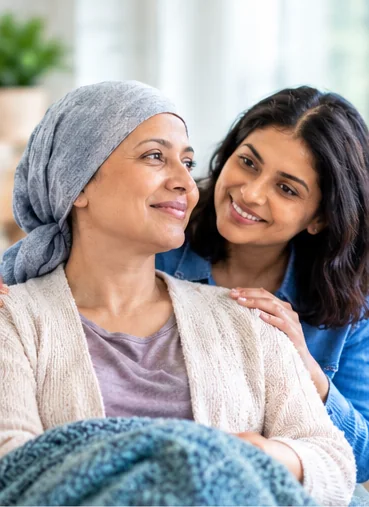
Follow-up care is an important part of the transition after cancer treatment. Your healthcare team can explain which appointments, tests, screenings, and monitoring activities are appropriate for your diagnosis and treatment history.
Ask your healthcare professional to clarify the recommended schedule, possible long-term side effects, symptoms that require attention, and whom to contact with questions.
Keep a copy of your follow-up instructions in a secure, accessible place. You can also maintain a calendar for appointments and a list of questions to discuss during each visit.
Because recovery needs vary, avoid relying on general online schedules to determine your individual medical care. Follow the plan developed with your healthcare team.
2. Prioritize Emotional and Mental Well-Being

Cancer can affect emotions, relationships, self-confidence, and everyday routines. Some people experience worry about the future, while others find that difficult emotions emerge after the demands of treatment begin to ease.
Making space for these feelings is an important part of recovery. Consider talking with a qualified mental health professional, counselor, or healthcare provider when emotional challenges become difficult to manage.
Gentle activities that fit your abilities and preferences, such as journaling, relaxation exercises, enjoyable hobbies, or spending time with supportive people, may also help you create a routine that feels manageable.
For more community-focused guidance, explore CWC’s resources on Culturally Guided Cancer Wellness in San Francisco.
3. Explore Cancer Support Groups

Recovery can sometimes feel isolating, particularly when family members and friends do not fully understand what a person is experiencing. Support groups may offer a setting where patients and survivors can share experiences, discuss everyday challenges, and learn about resources from others.
Groups may be available in person or online and may focus on particular cancer diagnoses, life stages, caregiving experiences, or cultural communities.
Choose a group that respects privacy, individual decisions, and medical guidance. Personal experiences can be valuable, but another person’s treatment or recovery experience may not apply to your situation.
Explore CWC’s guide to Cancer Support Groups in the San Francisco Bay Area to learn more about finding supportive connections.
4. Build Healthy Daily Routines at Your Own Pace

After cancer treatment, some people want to return quickly to their previous routines. However, energy levels, physical abilities, nutritional needs, and recovery timelines differ from person to person.
Work with your healthcare team to identify realistic goals for everyday activities. Depending on your individual needs, these may include gradual movement, adequate rest, appropriate nutrition, hydration, and a balanced schedule.
Ask a qualified healthcare professional before making major dietary changes, starting supplements, or beginning a new exercise routine, particularly if you are still receiving treatment or managing treatment-related effects.
A sustainable routine should support your overall well-being without creating unnecessary pressure. Small, manageable adjustments can be more practical than trying to change everything at once.
5. Organize Care With Reliable Information

Cancer care can involve several healthcare professionals, appointments, records, and follow-up instructions. Keeping essential information organized can help patients and families prepare questions and communicate more clearly.
Consider maintaining a secure record of:
-
Upcoming appointments and contact details.
-
Questions to discuss with healthcare professionals.
-
Current medication information, as directed by your care team.
-
Follow-up instructions and relevant medical documents.
-
Practical responsibilities, such as transportation or appointment reminders.
With the patient’s permission, a trusted family member or caregiver may help manage these tasks.
CWC’s guide to Cancer Care Coordination in San Francisco Bay Area provides additional information about organizing care, navigating appointments, understanding referrals, and exploring relevant support resources.
6. Include Caregivers and Family Members
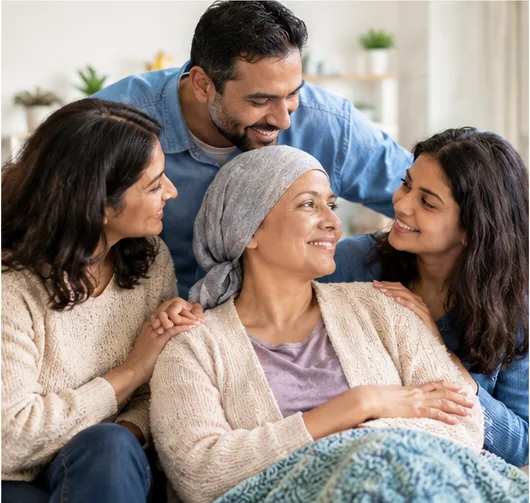
Family members and friends often provide practical and emotional help throughout a cancer journey. They may assist with daily activities, transportation, appointments, household responsibilities, or communication with the healthcare team.
However, caregiving can also create stress, fatigue, and competing responsibilities. It helps to discuss expectations openly, divide tasks where possible, and identify areas where additional assistance may be needed.
Patients should remain involved in decisions about their care to the extent they choose and are able. Caregivers should also have opportunities to rest, express their concerns, and seek support for their own well-being.
Explore Cancer Caregiver Resources in the San Francisco Bay Area for further guidance on organizing responsibilities and finding appropriate resources.
The American Cancer Society also provides a Caregiver Resource Guide with information about communication, coping, and caregiver self-care.
7. Find Culturally Relevant Community Resources

Culture, language, family traditions, and community values can influence how people seek information and approach healthcare decisions. Patients and families may feel more comfortable when educational resources acknowledge their experiences and communication preferences.
Culturally aware support can help people explore information in a respectful environment while keeping their individual needs and professional medical guidance at the center of decisions.
Community connections may also help families discover educational programs, supportive networks, and relevant community resources.
For people seeking guidance in Northern California, CWC offers information for Cancer Patients in the Bay Area, including education, wellness guidance, and resources for navigating different stages of the cancer journey.
When Should You Seek Additional Help During Recovery?
Recovery can bring questions that are difficult to resolve independently. Contact your healthcare team when you experience new or worsening symptoms, have concerns about medication or treatment effects, or are unsure about your recommended follow-up care.
Seek emotional or professional support if persistent sadness, anxiety, fear, or isolation is interfering with daily life. Your healthcare team can help identify appropriate services, which may include counseling, social work, rehabilitation, nutrition guidance, or other supportive care.
If symptoms are severe or suggest a medical emergency, seek urgent medical attention through your local emergency services.
Online articles and community resources can help you prepare questions and identify possible support options, but they cannot determine your individual diagnosis or treatment needs.
How to Build a Personal Cancer Recovery Support Plan
A helpful plan does not need to be complicated. Begin with the areas where you need the most assistance, then identify the people and resources that may help.
Start by identifying your priorities. You may need help organizing follow-up appointments, managing daily tasks, finding emotional support, or understanding available community resources.
Write down your questions. Keep a list for your next healthcare appointment so that you can discuss concerns and clarify the next steps.
Identify your support network. Consider which responsibilities family members, friends, healthcare professionals, and community organizations may be able to help with.
Review the plan regularly. Your needs may change during recovery. Revisit your priorities and ask for additional guidance when circumstances change.
Most importantly, remember that asking for help is a practical step toward managing a complex experience. You do not have to resolve every challenge at once.
How Community Wellness Collective Can Help
Community Wellness Collective supports individuals and families through trusted educational resources, culturally aware guidance, and community-centered wellness information.
Through its cancer-related content, CWC helps people explore topics such as care coordination, caregiver responsibilities, emotional well-being, support groups, and life after treatment. These resources are intended to make information easier to understand and help individuals identify appropriate next steps.
Explore the Community Wellness Collective website to discover more educational resources for patients, survivors, caregivers, and families.
Cancer recovery is a personal journey, and every individual deserves support that respects their circumstances, preferences, and goals. By combining professional follow-up care with practical planning, appropriate emotional support, and community connections, people can build a more informed approach to recovery.
For additional evidence-based information, visit the National Cancer Institute’s Coping With Cancer resource center, which offers guidance on emotional well-being, daily life, survivorship, and support for patients and families.
Frequently Asked Questions About Cancer Recovery Support
What is cancer recovery support?
Cancer recovery support includes educational, emotional, practical, and community resources that help people navigate cancer treatment, follow-up care, and life after treatment. The appropriate support depends on each person’s needs and circumstances.
Where can cancer survivors find recovery resources?
Cancer survivors can ask their healthcare team about follow-up care, counseling, rehabilitation, nutrition guidance, and available support services. Community organizations, educational websites, and support groups may also help people identify relevant resources.
How can family members support someone recovering from cancer?
Family members can listen, help organize appointments, assist with daily responsibilities, respect the patient’s decisions, and offer practical support without creating pressure. Caregivers should also pay attention to their own well-being.
Do support groups help during cancer recovery?
Support groups can provide opportunities to share experiences, feel less isolated, and learn about resources. Their suitability varies by person, and they should complement rather than replace professional medical or mental health care.
Does cancer recovery support replace medical treatment?
No. Cancer recovery support provides additional educational, practical, and emotional resources. Diagnosis, treatment decisions, symptom evaluation, and follow-up care should remain guided by qualified healthcare professionals.
How can I find cancer recovery support in the San Francisco Bay Area?
Start by asking your healthcare team about local programs, support groups, patient navigation, and community resources. You can also explore CWC’s educational guides for cancer patients, caregivers, care coordination, and culturally guided wellness across the Bay Area.
Medical information note: This article provides general educational information. It does not replace personalized medical advice, diagnosis, or treatment from a qualified healthcare professional.
Cancer recovery is a personal journey that can continue long after active treatment ends. Patients may need time to regain strength, adjust to changes in daily life, manage emotions, attend follow-up appointments, and reconnect with family and community. During this period, cancer recovery support can help individuals and families find reliable information, organize practical responsibilities, and understand where to turn for guidance.
Recovery looks different for everyone. Some people focus on rebuilding everyday routines, while others need assistance with emotional well-being, nutrition, transportation, caregiving, or long-term follow-up. Having the right support system can make these challenges easier to navigate.
Community Wellness Collective (CWC) shares educational resources and community-centered guidance to help people navigate complex health journeys with greater clarity, compassion, and connection.
What Is Cancer Recovery Support?
Cancer recovery support includes the practical, emotional, educational, and community resources that help people navigate life during and after cancer treatment. Depending on an individual’s circumstances, this support may involve family members, healthcare professionals, counselors, patient navigators, community organizations, or cancer support groups.
Recovery is not always a straight path. A person may feel relieved when treatment ends but still experience uncertainty, fatigue, emotional changes, or questions about what comes next. Others may need support while continuing treatment or adjusting to long-term effects.
A recovery plan should reflect each person’s medical needs, preferences, family circumstances, and goals. Supportive resources complement professional cancer care; they do not replace medical treatment or advice from a qualified healthcare professional.
Why Is Support Important After Cancer Treatment?
Finishing treatment can be an important milestone, but it does not necessarily mean that every physical, emotional, or practical challenge has ended. Patients may still have follow-up appointments, medication questions, lifestyle adjustments, or concerns about returning to their normal routines.
Reliable cancer recovery support can help patients and families focus on a few important priorities.
- Clear information: Understand follow-up instructions and know where to find trustworthy educational resources.
- Emotional well-being: Find appropriate support when anxiety, uncertainty, sadness, or isolation becomes difficult to manage.
- Practical organization: Keep appointments, medical information, questions, and responsibilities organized.
- Family communication: Help loved ones understand their roles while respecting the patient’s preferences and independence.
- Community connection: Explore appropriate resources and opportunities to connect with others who understand the cancer experience.
The goal is not to rush recovery. It is to help people identify useful resources and take manageable steps at their own pace.
7 Ways to Find Cancer Recovery Support
1. Create a Follow-Up Care Plan
Follow-up care is an important part of the transition after cancer treatment. Your healthcare team can explain which appointments, tests, screenings, and monitoring activities are appropriate for your diagnosis and treatment history.
Ask your healthcare professional to clarify the recommended schedule, possible long-term side effects, symptoms that require attention, and whom to contact with questions.
Keep a copy of your follow-up instructions in a secure, accessible place. You can also maintain a calendar for appointments and a list of questions to discuss during each visit.
Because recovery needs vary, avoid relying on general online schedules to determine your individual medical care. Follow the plan developed with your healthcare team.
2. Prioritize Emotional and Mental Well-Being
Cancer can affect emotions, relationships, self-confidence, and everyday routines. Some people experience worry about the future, while others find that difficult emotions emerge after the demands of treatment begin to ease.
Making space for these feelings is an important part of recovery. Consider talking with a qualified mental health professional, counselor, or healthcare provider when emotional challenges become difficult to manage.
Gentle activities that fit your abilities and preferences, such as journaling, relaxation exercises, enjoyable hobbies, or spending time with supportive people, may also help you create a routine that feels manageable.
For more community-focused guidance, explore CWC’s resources on Culturally Guided Cancer Wellness in San Francisco.
3. Explore Cancer Support Groups
Recovery can sometimes feel isolating, particularly when family members and friends do not fully understand what a person is experiencing. Support groups may offer a setting where patients and survivors can share experiences, discuss everyday challenges, and learn about resources from others.
Groups may be available in person or online and may focus on particular cancer diagnoses, life stages, caregiving experiences, or cultural communities.
Choose a group that respects privacy, individual decisions, and medical guidance. Personal experiences can be valuable, but another person’s treatment or recovery experience may not apply to your situation.
Explore CWC’s guide to Cancer Support Groups in the San Francisco Bay Area to learn more about finding supportive connections.
4. Build Healthy Daily Routines at Your Own Pace
After cancer treatment, some people want to return quickly to their previous routines. However, energy levels, physical abilities, nutritional needs, and recovery timelines differ from person to person.
Work with your healthcare team to identify realistic goals for everyday activities. Depending on your individual needs, these may include gradual movement, adequate rest, appropriate nutrition, hydration, and a balanced schedule.
Ask a qualified healthcare professional before making major dietary changes, starting supplements, or beginning a new exercise routine, particularly if you are still receiving treatment or managing treatment-related effects.
A sustainable routine should support your overall well-being without creating unnecessary pressure. Small, manageable adjustments can be more practical than trying to change everything at once.
5. Organize Care With Reliable Information
Cancer care can involve several healthcare professionals, appointments, records, and follow-up instructions. Keeping essential information organized can help patients and families prepare questions and communicate more clearly.
Consider maintaining a secure record of:
- Upcoming appointments and contact details.
- Questions to discuss with healthcare professionals.
- Current medication information, as directed by your care team.
- Follow-up instructions and relevant medical documents.
- Practical responsibilities, such as transportation or appointment reminders.
With the patient’s permission, a trusted family member or caregiver may help manage these tasks.
CWC’s guide to Cancer Care Coordination in San Francisco Bay Area provides additional information about organizing care, navigating appointments, understanding referrals, and exploring relevant support resources.
6. Include Caregivers and Family Members
Family members and friends often provide practical and emotional help throughout a cancer journey. They may assist with daily activities, transportation, appointments, household responsibilities, or communication with the healthcare team.
However, caregiving can also create stress, fatigue, and competing responsibilities. It helps to discuss expectations openly, divide tasks where possible, and identify areas where additional assistance may be needed.
Patients should remain involved in decisions about their care to the extent they choose and are able. Caregivers should also have opportunities to rest, express their concerns, and seek support for their own well-being.
Explore Cancer Caregiver Resources in the San Francisco Bay Area for further guidance on organizing responsibilities and finding appropriate resources.
The American Cancer Society also provides a Caregiver Resource Guide with information about communication, coping, and caregiver self-care.
7. Find Culturally Relevant Community Resources
Culture, language, family traditions, and community values can influence how people seek information and approach healthcare decisions. Patients and families may feel more comfortable when educational resources acknowledge their experiences and communication preferences.
Culturally aware support can help people explore information in a respectful environment while keeping their individual needs and professional medical guidance at the center of decisions.
Community connections may also help families discover educational programs, supportive networks, and relevant community resources.
For people seeking guidance in Northern California, CWC offers information for Cancer Patients in the Bay Area, including education, wellness guidance, and resources for navigating different stages of the cancer journey.
When Should You Seek Additional Help During Recovery?
Recovery can bring questions that are difficult to resolve independently. Contact your healthcare team when you experience new or worsening symptoms, have concerns about medication or treatment effects, or are unsure about your recommended follow-up care.
Seek emotional or professional support if persistent sadness, anxiety, fear, or isolation is interfering with daily life. Your healthcare team can help identify appropriate services, which may include counseling, social work, rehabilitation, nutrition guidance, or other supportive care.
If symptoms are severe or suggest a medical emergency, seek urgent medical attention through your local emergency services.
Online articles and community resources can help you prepare questions and identify possible support options, but they cannot determine your individual diagnosis or treatment needs.
How to Build a Personal Cancer Recovery Support Plan
A helpful plan does not need to be complicated. Begin with the areas where you need the most assistance, then identify the people and resources that may help.
Start by identifying your priorities. You may need help organizing follow-up appointments, managing daily tasks, finding emotional support, or understanding available community resources.
Write down your questions. Keep a list for your next healthcare appointment so that you can discuss concerns and clarify the next steps.
Identify your support network. Consider which responsibilities family members, friends, healthcare professionals, and community organizations may be able to help with.
Review the plan regularly. Your needs may change during recovery. Revisit your priorities and ask for additional guidance when circumstances change.
Most importantly, remember that asking for help is a practical step toward managing a complex experience. You do not have to resolve every challenge at once.
How Community Wellness Collective Can Help
Community Wellness Collective supports individuals and families through trusted educational resources, culturally aware guidance, and community-centered wellness information.
Through its cancer-related content, CWC helps people explore topics such as care coordination, caregiver responsibilities, emotional well-being, support groups, and life after treatment. These resources are intended to make information easier to understand and help individuals identify appropriate next steps.
Explore the Community Wellness Collective website to discover more educational resources for patients, survivors, caregivers, and families.
Cancer recovery is a personal journey, and every individual deserves support that respects their circumstances, preferences, and goals. By combining professional follow-up care with practical planning, appropriate emotional support, and community connections, people can build a more informed approach to recovery.
For additional evidence-based information, visit the National Cancer Institute’s Coping With Cancer resource center, which offers guidance on emotional well-being, daily life, survivorship, and support for patients and families.
Frequently Asked Questions About Cancer Recovery Support
What is cancer recovery support?
Cancer recovery support includes educational, emotional, practical, and community resources that help people navigate cancer treatment, follow-up care, and life after treatment. The appropriate support depends on each person’s needs and circumstances.
Where can cancer survivors find recovery resources?
Cancer survivors can ask their healthcare team about follow-up care, counseling, rehabilitation, nutrition guidance, and available support services. Community organizations, educational websites, and support groups may also help people identify relevant resources.
How can family members support someone recovering from cancer?
Family members can listen, help organize appointments, assist with daily responsibilities, respect the patient’s decisions, and offer practical support without creating pressure. Caregivers should also pay attention to their own well-being.
Do support groups help during cancer recovery?
Support groups can provide opportunities to share experiences, feel less isolated, and learn about resources. Their suitability varies by person, and they should complement rather than replace professional medical or mental health care.
Does cancer recovery support replace medical treatment?
No. Cancer recovery support provides additional educational, practical, and emotional resources. Diagnosis, treatment decisions, symptom evaluation, and follow-up care should remain guided by qualified healthcare professionals.
How can I find cancer recovery support in the San Francisco Bay Area?
Start by asking your healthcare team about local programs, support groups, patient navigation, and community resources. You can also explore CWC’s educational guides for cancer patients, caregivers, care coordination, and culturally guided wellness across the Bay Area.
Medical information note: This article provides general educational information. It does not replace personalized medical advice, diagnosis, or treatment from a qualified healthcare professional.
