

Cancer-Related Fatigue Support in California
 by

Cancer-related fatigue is one of the most common challenges experienced by people living with cancer. Unlike ordinary tiredness, it can cause persistent physical, emotional, and mental exhaustion that may not improve with sleep or rest. Finding appropriate cancer-related fatigue support in California can help patients and survivors understand their symptoms, explore practical wellness strategies, and identify the right resources throughout their cancer journey.
Whether someone is receiving chemotherapy, recovering from radiation therapy, or adjusting to life after treatment, fatigue can affect everyday activities, relationships, concentration, and emotional well-being. With appropriate medical guidance, supportive care, and healthy daily routines, individuals can explore ways to manage fatigue and improve their quality of life.
At Community Wellness Collective (CWC), whole-person cancer wellness recognizes the importance of addressing physical, emotional, social, and practical needs alongside professional cancer care.
What Is Cancer-Related Fatigue?
Cancer-related fatigue is a persistent feeling of physical, emotional, or mental exhaustion associated with cancer or its treatment. It can make everyday activities such as walking, preparing meals, working, concentrating, and spending time with family more difficult.
Unlike regular tiredness, cancer-related fatigue is not always relieved by sleeping or taking a break. It may begin before treatment, develop during treatment, or continue after treatment has ended.
According to the National Cancer Institute, cancer-related fatigue can affect physical functioning, concentration, emotional health, and daily responsibilities. Some individuals continue experiencing fatigue for months or years after treatment.
Understanding the difference between everyday tiredness and cancer-related fatigue is an important step toward finding appropriate support.
Why Does Cancer Treatment Cause Fatigue?
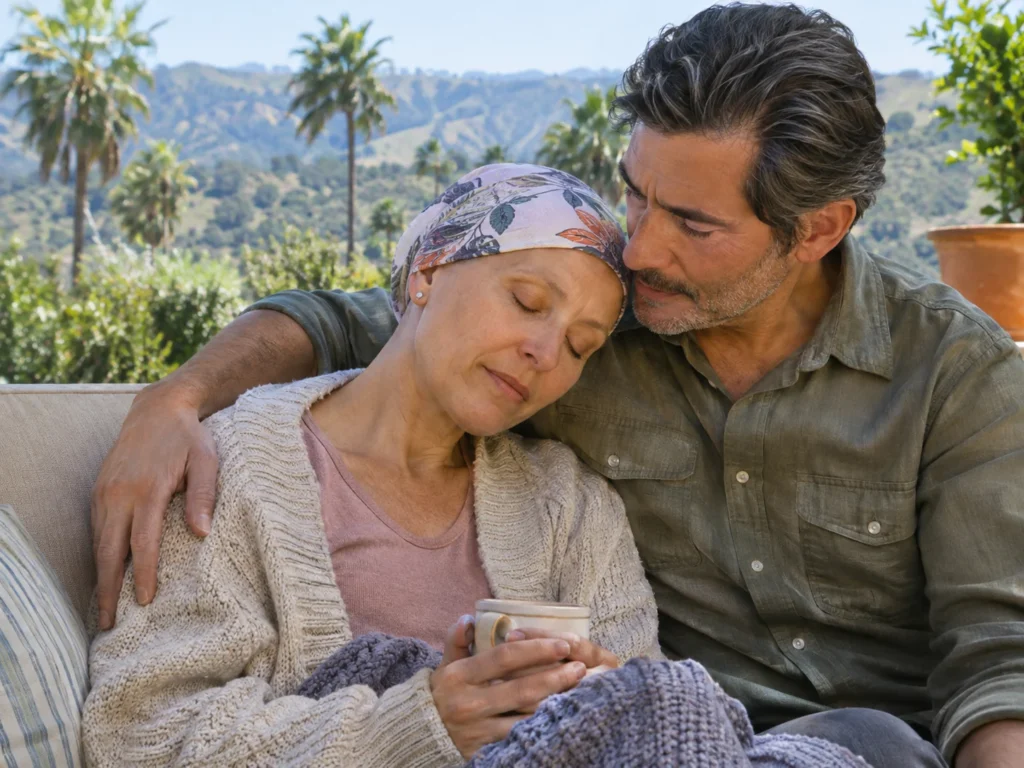
Cancer-related fatigue can develop for several reasons. Cancer itself, medical treatments, emotional stress, and other health conditions may contribute to changes in energy levels.
Common contributing factors include:
1. Chemotherapy and Radiation Therapy
Chemotherapy and radiation therapy can affect healthy cells and place physical demands on the body. Patients may experience changes in energy levels during treatment, and fatigue can sometimes increase as treatment progresses.
2. Anemia and Other Medical Conditions
Anemia, which involves a reduced number of healthy red blood cells, can contribute to weakness and exhaustion. Other medical conditions and treatment-related complications may also affect energy levels.
Patients should discuss persistent or worsening fatigue with their healthcare team so that potential causes can be evaluated.
3. Sleep Disturbances
Difficulty falling asleep, frequent waking, discomfort, and changes in daily schedules can make fatigue more difficult to manage.
4. Emotional Stress and Anxiety
Living with cancer can create uncertainty, emotional pressure, and concerns about treatment outcomes. Anxiety, depression, and ongoing distress may contribute to exhaustion and affect sleep and daily activities.
5. Changes in Nutrition and Physical Activity
Reduced appetite, eating difficulties, dehydration, and changes in normal activity levels can affect physical energy during cancer treatment and recovery.
Identifying the factors contributing to fatigue can help patients and their healthcare professionals develop an appropriate management approach.
7 Helpful Strategies for Managing Fatigue During Cancer Treatment
Managing fatigue during cancer treatment requires an approach that considers individual medical needs, energy levels, and everyday responsibilities. The following strategies may help patients develop more manageable routines.
1. Prioritize Activities and Conserve Energy
Trying to complete every daily responsibility can make exhaustion more difficult to manage.
Instead, consider:
- Identifying the most important activities each day.
- Breaking larger tasks into smaller steps.
- Scheduling demanding activities during higher-energy periods.
- Taking planned breaks between responsibilities.
- Asking family members or caregivers for assistance.
Energy conservation does not mean giving up independence. It means using available energy thoughtfully and adjusting activities when necessary.
2. Include Appropriate Physical Activity
Although fatigue may make exercise seem difficult, suitable physical activity can help some people manage cancer-related fatigue.
Depending on medical circumstances and professional recommendations, activities may include:
- Gentle walking
- Light stretching
- Supervised exercise
- Appropriate resistance exercises
- Gentle yoga or movement practices
Exercise recommendations should be individualized according to treatment, physical ability, symptoms, and safety considerations.
Patients should consult their cancer-care team before starting or changing an exercise routine.
3. Maintain Balanced Nutrition and Hydration
Nutrition is an important consideration during cancer treatment and recovery.
Changes in appetite, taste, digestion, and food tolerance can make it challenging to maintain regular eating habits.
Helpful steps may include:
- Eating smaller meals when large meals feel difficult.
- Including suitable sources of protein.
- Choosing foods according to individual nutritional needs.
- Drinking fluids as recommended by the healthcare team.
- Discussing appetite changes and eating difficulties with a registered dietitian.
There is no single diet that treats cancer-related fatigue. Nutritional recommendations should reflect the patient’s diagnosis, treatment, symptoms, and medical needs.
4. Develop a Consistent Sleep Routine
Quality sleep supports daily functioning and overall well-being, although sleep alone may not resolve cancer-related fatigue.
Consider creating a comfortable and predictable sleep routine.
Useful habits include:
- Maintaining regular sleep and wake times.
- Keeping the bedroom comfortable and quiet.
- Limiting stimulating activities before bedtime.
- Discussing pain or discomfort that interrupts sleep.
- Taking short daytime rest breaks when needed.
Patients experiencing persistent sleep difficulties should discuss them with their healthcare professionals.
5. Manage Emotional Stress
Physical exhaustion and emotional distress can occur together during cancer treatment.
Mindfulness, relaxation exercises, breathing practices, and appropriate counseling may help individuals cope with emotional challenges.
Patients may also benefit from speaking with family members, joining supportive communities, or connecting with mental health professionals.
Explore our guide to Stress Management for Cancer Patients for additional emotional wellness strategies.
6. Communicate With Your Cancer-Care Team
Persistent fatigue should not automatically be considered an unavoidable part of cancer treatment.
Healthcare professionals can evaluate potential contributing factors, review medications, assess sleep difficulties, and recommend appropriate supportive care.
Patients may consider asking:
- What could be contributing to my fatigue?
- Could anemia or another medical condition be affecting my energy?
- Are any medications contributing to tiredness?
- Would a physical therapy or rehabilitation referral help?
- Should I speak with a registered dietitian?
- What physical activities are appropriate for my current condition?
Open communication helps patients receive guidance that reflects their individual circumstances.
7. Build a Reliable Support System
Family members, caregivers, friends, and community organizations can help reduce practical responsibilities during difficult periods.
Support may include:
- Transportation to medical appointments.
- Assistance with household activities.
- Help organizing treatment information.
- Emotional encouragement.
- Meal preparation.
- Connecting with relevant patient and caregiver resources.
A reliable support system can make it easier for individuals to focus on treatment, recovery, and personal well-being.
Cancer Fatigue Management Strategies in California
Finding appropriate cancer fatigue management strategies in California involves understanding available healthcare, rehabilitation, wellness, and community resources.
California patients and families may explore several forms of professional and supportive assistance.
Oncology and Supportive Care Services
An oncology team can evaluate fatigue, identify possible causes, and recommend appropriate medical management.
Depending on individual needs, supportive care may involve rehabilitation professionals, registered dietitians, mental health specialists, and other qualified healthcare providers.
Cancer Wellness and Navigation Resources
Cancer wellness navigation can help patients and families understand available educational resources, organize important information, and explore supportive services.
Community Wellness Collective’s Cancer Wellness Navigation in the San Francisco Bay Area provides information about whole-person wellness, caregiver support, emotional well-being, and navigating the cancer journey.
Patient and Caregiver Support Communities
Support communities can offer opportunities to share experiences, access educational information, and feel connected with people facing similar challenges.
Patients may explore local community organizations, online support groups, and reputable cancer-support programs throughout California.
The most appropriate resources depend on individual preferences, location, diagnosis, and healthcare needs.
Understanding Extreme Tiredness After Cancer Treatment
Many people expect their energy levels to return quickly after completing cancer treatment. However, recovery can take time, and some survivors continue experiencing fatigue after their treatment ends.
Extreme tiredness after cancer treatment may be associated with several factors, including:
- Lingering treatment effects.
- Anemia or other medical conditions.
- Sleep disturbances.
- Pain or physical discomfort.
- Changes in physical conditioning.
- Emotional stress and anxiety.
- Medication-related side effects.
Fatigue may gradually improve for some survivors, while others experience symptoms for longer periods.
Persistent, new, or worsening exhaustion should be discussed with a healthcare professional rather than automatically attributed to recovery.
Life After Treatment and Long-Term Energy Management
Cancer survivorship involves more than completing medical treatment. Survivors may need to rebuild daily routines, adjust activity levels, manage emotional changes, and attend follow-up appointments.
Creating realistic recovery goals can help individuals focus on manageable steps.
Explore our resource on Cancer Survivorship Support in California to learn more about emotional wellness, follow-up care, and support after treatment.
Emotional and Physical Support for Cancer-Related Fatigue

Cancer-related fatigue can affect more than physical energy. It may influence emotional health, relationships, family responsibilities, and confidence in everyday activities.
A whole-person approach recognizes that physical and emotional well-being are connected.
Emotional Support
Talking with a counselor, participating in an appropriate support group, or connecting with trusted people can help individuals express concerns and navigate difficult emotions.
Emotional support is particularly valuable when fatigue is accompanied by persistent sadness, anxiety, isolation, or difficulty coping with treatment-related changes.
Physical Support and Rehabilitation
Some individuals may benefit from rehabilitation or physical therapy to address mobility, strength, balance, or functional limitations.
A qualified professional can recommend suitable activities and adjust them according to treatment history and physical condition.
Family and Caregiver Involvement
Family members and caregivers often help patients manage responsibilities during treatment and recovery.
However, caregivers can also experience fatigue, stress, and emotional pressure.
Sharing responsibilities, maintaining communication, and accessing caregiver resources can support both patients and their families.
Whole-Person Wellness
Whole-person wellness considers different aspects of an individual’s experience, including physical health, emotional well-being, social connection, nutrition, and daily routines.
At Community Wellness Collective, educational resources and Navigate Cancer guidance help individuals and families explore supportive information throughout the cancer journey.
These resources complement, rather than replace, professional medical care.
When Should You Seek Medical Help for Cancer-Related Fatigue?
Patients should inform their healthcare team about persistent, worsening, or unexplained fatigue, particularly when it interferes with daily activities.
Contact your healthcare team promptly if you:
- Become increasingly exhausted.
- Cannot manage normal daily activities.
- Experience worsening weakness.
- Have difficulty sleeping or eating.
- Notice new symptoms alongside fatigue.
- Find that fatigue is affecting your ability to follow your treatment routine.
Seek emergency medical attention for symptoms such as chest pain, confusion, a fall with injury, severe breathing difficulty, or shortness of breath while resting. Follow your medical team’s emergency instructions.
Cancer-related fatigue can have treatable contributing causes. Timely medical evaluation is important for identifying appropriate care.
Frequently Asked Questions About Cancer-Related Fatigue Support
1. What is the best way to manage cancer-related fatigue?
Managing cancer-related fatigue involves identifying possible causes and combining appropriate medical guidance with supportive strategies. Energy conservation, individualized physical activity, balanced nutrition, sleep routines, and emotional support may help. The most suitable approach depends on the patient’s condition and treatment plan.
2. Why am I extremely tired during cancer treatment?
Extreme tiredness during cancer treatment can result from chemotherapy, radiation therapy, anemia, sleep difficulties, pain, emotional stress, nutritional challenges, or other medical conditions. Patients should discuss persistent or worsening fatigue with their healthcare team.
3. Can cancer-related fatigue continue after treatment?
Yes. Some cancer survivors experience fatigue for months or even years after treatment. Recovery varies between individuals, and ongoing fatigue should be evaluated by a healthcare professional.
4. Can exercise help reduce cancer-related fatigue?
Appropriately tailored exercise may help reduce fatigue and improve physical functioning in some people with cancer. Walking, supervised exercise, and suitable resistance activities may be considered with healthcare guidance.
5. What foods help with cancer-related fatigue?
There is no specific food that cures cancer-related fatigue. A balanced eating pattern that meets individual nutritional needs may help support general health and recovery. Patients should consult a registered dietitian for personalized nutrition guidance.
6. How can caregivers support someone experiencing cancer fatigue?
Caregivers can help by sharing household responsibilities, assisting with appointments, encouraging appropriate rest, organizing daily activities, and providing emotional support. They should also make time for their own health and well-being.
7. Where can I find cancer-related fatigue support in California?
Patients and families can explore oncology supportive care, rehabilitation services, registered dietitians, mental health professionals, cancer support communities, and cancer wellness navigation resources. Community Wellness Collective provides educational resources through its Navigate Cancer initiative.
Conclusion: Finding Support Throughout Your Cancer Journey
Cancer-related fatigue can make treatment and recovery challenging, but patients and families do not have to navigate these experiences alone.
Understanding the causes of fatigue, developing realistic daily routines, maintaining communication with healthcare professionals, and exploring emotional and physical support can help individuals make informed decisions about their well-being.
Whether someone is managing fatigue during cancer treatment or experiencing extreme tiredness after treatment, personalized guidance and appropriate supportive resources remain important.
Community Wellness Collective believes in a whole-person approach to cancer wellness, helping individuals and families explore trusted information, meaningful connections, and supportive resources throughout the cancer journey.
Explore Community Wellness Collective and discover resources designed to support patients, survivors, and caregivers at every stage of the cancer experience.
Visit MyCWC.org to learn more.
For additional information about cancer-related fatigue, its causes, symptoms, and management strategies, explore the National Cancer Institute’s guide to cancer-related fatigue.
