
Cancer Wellness Navigation in the San Francisco Bay Area: Mind Body Cancer Wellness Support
 by
by 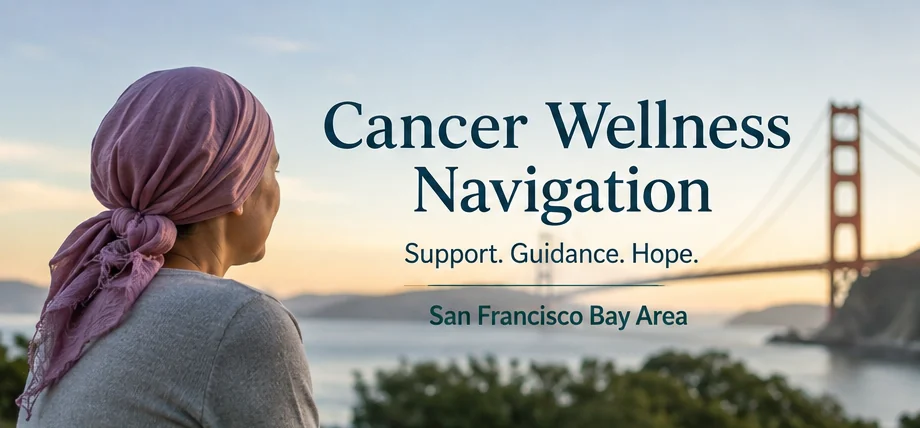
Introduction: What Is Cancer Wellness Navigation?
A cancer diagnosis can bring a wide range of questions, emotions, appointments, treatment decisions, and practical challenges. For many individuals and families, knowing where to begin can feel overwhelming. Cancer Wellness Navigation provides a structured way to find information, identify supportive resources, and move through the cancer journey with greater clarity and confidence.
In the San Francisco Bay Area, people and families have access to a diverse healthcare and wellness ecosystem. However, having many resources available does not always make it easy to know which resources are appropriate, trustworthy, or relevant to a particular situation. Cancer wellness navigation can help connect the pieces while keeping the individual at the center of the journey.
At Community Wellness Collective, the Navigate Cancer initiative is designed around guided support, cancer education, human navigation, knowledge pathways, and trusted resource options. Its initial focus is the San Francisco Bay Area, with an emphasis on culturally relevant support for the Indian and South Asian community.
Cancer Wellness Navigation should complement—not replace—medical care. The goal is to help individuals understand their options, prepare questions, locate supportive resources, and feel less alone while working with their healthcare team.
What Does Cancer Wellness Navigation Mean?
Cancer Wellness Navigation is a supportive process that helps individuals and caregivers make sense of the many practical, informational, emotional, and wellness-related aspects of cancer care.
A patient navigator may help someone understand how to move through the healthcare system, communicate with healthcare professionals, coordinate appointments, and locate financial, social, or other supportive resources. The National Cancer Institute describes patient navigators as people who help guide patients through screening, diagnosis, treatment, and follow-up care.
Cancer wellness navigation can therefore involve several interconnected areas:
- Understanding the different stages of the cancer journey
- Preparing questions for healthcare appointments
- Organizing information and resources
- Identifying emotional and social support
- Exploring wellness resources alongside medical treatment
- Connecting with appropriate community resources
- Supporting caregivers and families
- Preparing for survivorship and follow-up care
- Reducing confusion when multiple services are involved
The emphasis is not simply on finding more information. Instead, effective navigation helps people find relevant, understandable, and trusted information at the right time.
Why Cancer Wellness Navigation Matters in the San Francisco Bay Area

The San Francisco Bay Area is home to people from many cultural, linguistic, socioeconomic, and family backgrounds. Cancer care can therefore involve different expectations, traditions, communication styles, family roles, and practical circumstances.
For some people, the challenge may be understanding medical terminology. For others, it may involve transportation, finances, work responsibilities, caregiving, emotional stress, or finding culturally appropriate support.
The President’s Cancer Panel has highlighted patient navigation as an approach that can help reduce barriers and improve access to patient-centered cancer care. Navigation can include coordinating care, addressing barriers, providing education, and connecting people with supportive services.
This makes Cancer Wellness Navigation in the San Francisco Bay Area especially valuable when it is designed around the whole person rather than focusing only on a diagnosis.
Cancer Wellness Navigation and Whole-Person Support

Connecting Mind, Body, and Practical Needs
Cancer affects more than the physical body. It can influence emotions, relationships, routines, work, finances, nutrition, sleep, and a person’s sense of identity.
That is why mind body cancer wellness can be an important part of a broader navigation approach.
Whole-person support may include education and resources related to:
- Emotional well-being
- Nutrition and healthy lifestyle habits
- Stress management
- Support groups and community connections
- Practical care coordination
- Family and caregiver support
- Survivorship
- Integrative wellness approaches
- Patient education
These supportive areas do not replace cancer treatment. Rather, they can help address some of the additional needs that may arise during and after treatment.
The National Cancer Institute also identifies counseling, support groups, stress-management programs, survivor wellness programs, and other supportive services as resources that may help people cope during and after cancer treatment.
How Cancer Wellness Navigation Can Support the Cancer Journey

Cancer Wellness Navigation During Diagnosis
A new diagnosis can create uncertainty very quickly. Individuals may receive test results, referrals, treatment recommendations, and medical terminology within a short period.
At this stage, Cancer Wellness Navigation can help people focus on what they need to understand next.
Useful navigation questions may include:
- What information should I bring to my next appointment?
- What questions should I ask my healthcare team?
- Which specialists may be involved in my care?
- What resources are available to me and my family?
- Where can I find reliable cancer education?
- What emotional or practical support may be available?
A navigator does not make medical decisions for the patient. Instead, navigation can help the individual communicate effectively with the appropriate healthcare professionals and locate relevant resources.
Cancer Wellness Navigation During Treatment
Cancer treatment can involve multiple appointments, medications, tests, procedures, specialists, and follow-up discussions.
As a result, keeping information organized can become increasingly important.
Cancer wellness navigation may help individuals identify questions, understand where to seek additional support, and organize resources around their changing needs.
For example, someone may need support related to:
- Appointment preparation
- Treatment education
- Emotional well-being
- Nutrition resources
- Family communication
- Transportation or practical challenges
- Community resources
- Financial concerns
- Support groups
The specific resources needed will vary from person to person.
Cancer Wellness Navigation During Survivorship
The end of active treatment does not necessarily mean the end of the cancer journey. Survivorship can involve follow-up care, physical changes, emotional adjustment, lifestyle considerations, and concerns about the future.
The National Cancer Institute considers a person a cancer survivor from the time of diagnosis through the balance of life, while recognizing that individuals may define survivorship differently.
Cancer Wellness Navigation can help people think about the transition into survivorship with greater structure.
Follow-up care may include regular medical check-ups and conversations about physical and emotional changes. NCI recommends that cancer survivors receive follow-up care and have a follow-up cancer care plan from their healthcare team.
Cancer Wellness Navigation for Families and Caregivers

Cancer affects families as well as individuals. Caregivers may have their own questions about appointments, communication, daily routines, emotional support, and practical responsibilities.
A strong navigation approach recognizes that caregivers are part of the support system.
Helping Families Stay Organized
Families may benefit from creating a shared system for:
- Appointment information
- Questions for healthcare providers
- Medication information
- Important contact details
- Treatment summaries
- Resource lists
- Follow-up plans
Keeping information organized can make communication easier and reduce the feeling that everything has to be remembered at once.
Supporting Caregiver Well-Being
Caregivers may experience stress, fatigue, uncertainty, and emotional pressure. They may also hesitate to ask for help because their attention is focused on the person receiving treatment.
Cancer wellness navigation can encourage families to consider support for caregivers as well as patients.
Cancer Wellness Navigation and Emotional Wellness
Emotional well-being is an important component of mind body cancer wellness.
People may experience fear, sadness, frustration, uncertainty, anger, loneliness, or anxiety at different points in the cancer journey. These experiences can change over time.
Navigation does not mean providing psychotherapy unless the navigator is appropriately qualified to do so. Instead, navigation can help people recognize when additional emotional support may be useful and identify appropriate professional or community resources.
Support may include:
- Counseling
- Support groups
- Peer connections
- Stress-management resources
- Family support
- Community programs
- Mental wellness education
If emotional symptoms become severe or interfere significantly with daily life, individuals should speak with an appropriate healthcare professional.
Cancer Wellness Navigation and Nutrition

Nutrition is another area where individuals frequently have questions during cancer care.
However, nutritional needs can vary depending on diagnosis, treatment, symptoms, medications, personal health circumstances, and medical recommendations. Therefore, people should discuss individualized nutrition questions with their healthcare team or a qualified nutrition professional.
Community Wellness Collective’s Navigate Cancer platform includes nutrition as one of its supportive wellness tracks, with educational guidance and access to trusted nutrition resources and professionals.
Building Sustainable Wellness Habits
Rather than focusing on quick fixes, whole-person wellness can encourage sustainable habits that fit an individual’s circumstances.
Depending on professional guidance, this may involve:
- Balanced eating
- Appropriate physical activity
- Adequate rest
- Stress-management practices
- Social connection
- Regular follow-up care
- Healthy daily routines
The objective is to support overall well-being while respecting the individual’s medical care plan.
Cancer Wellness Navigation for Culturally Relevant Support
Cultural considerations can influence how people understand illness, communicate with healthcare professionals, involve family members, and seek support.
The San Francisco Bay Area is culturally diverse, making culturally responsive cancer support particularly meaningful.
Navigate Cancer identifies the Indian and South Asian community as an initial focus within its San Francisco Bay Area pilot. The program is designed around trusted guidance, culturally relevant resources, and whole-person support.
Culturally relevant navigation can help people feel more comfortable asking questions and exploring resources that respect their personal and family context.
At the same time, culturally relevant support should remain grounded in trustworthy information and should work alongside appropriate medical care.
How to Choose Cancer Wellness Navigation Support
When looking for Cancer Wellness Navigation in the San Francisco Bay Area, consider whether the resource:
- Provides clear and understandable information.
- Encourages communication with your healthcare team.
- Uses trustworthy and appropriately vetted resources.
- Respects personal and cultural needs.
- Recognizes emotional, social, and practical needs.
- Supports caregivers and families.
- Clearly explains what the service can and cannot provide.
- Complements rather than replaces medical care.
It is also useful to understand who provides the navigation support and what training or qualifications they have.
A trustworthy navigation service should not pressure someone into replacing evidence-based medical treatment with unproven alternatives.
Cancer Wellness Navigation at Community Wellness Collective

Community Wellness Collective’s Navigate Cancer initiative is designed to provide guided support across different stages of the cancer journey.
Its model includes:
Human Navigators
Trained volunteers provide emotional, logistical, and informational support throughout the journey.
Knowledge Pathways
The platform provides educational guidance designed to make complex cancer-related information easier to understand.
Trusted Resource Options
Navigate Cancer connects people with supportive options involving areas such as integrative care, emotional health, and practical support, with attention to safety, cultural relevance, and quality.
You can explore the organization’s Navigate Cancer program to learn more about its approach to cancer education and whole-person support.
For additional information about cancer patient navigation, the National Cancer Institute’s patient navigator resources provide a useful external educational resource.
Questions to Ask When Seeking Cancer Wellness Navigation
Before connecting with a navigation program, consider asking:
- What type of cancer support does the program provide?
- Is the support informational, emotional, logistical, or a combination?
- Who provides the navigation?
- How are resources selected and reviewed?
- Can caregivers participate?
- Does the program provide culturally relevant resources?
- Can the navigator help me prepare questions for my healthcare team?
- Does the program support people during survivorship?
- How does the program coordinate with existing medical care?
- What should I do if I have an urgent medical concern?
These questions can help you understand whether a program matches your needs.
Creating a More Connected Cancer Wellness Experience

Effective Cancer Wellness Navigation is ultimately about connection.
It connects people with information. It connects patients with appropriate resources. It connects families with support. It can also help individuals connect their medical care with broader wellness needs.
For someone navigating cancer, that connection can provide a greater sense of structure during a complicated period.
A whole-person approach recognizes that cancer care is not only about appointments and treatments. It can also involve relationships, emotions, nutrition, daily routines, practical concerns, community, and life after treatment.
Conclusion: Cancer Wellness Navigation for Greater Clarity and Support
Cancer Wellness Navigation in the San Francisco Bay Area can help individuals and families make sense of the many layers of the cancer journey. From diagnosis and treatment to survivorship, navigation can provide education, practical direction, emotional support, and connections to appropriate resources.
When combined with professional medical care, mind body cancer wellness can encourage a more comprehensive approach to well-being. The goal is not to replace oncology care or medical advice. Instead, it is to help people feel more informed, supported, and connected as they move through each stage of their journey.
Community Wellness Collective’s Navigate Cancer initiative brings together human navigation, educational pathways, and trusted resource options to support people across the cancer journey, with an initial focus on the San Francisco Bay Area.
For anyone searching for Cancer Wellness Navigation, the most important starting point is finding reliable information, maintaining communication with the healthcare team, and building a support network that addresses the whole person.
