
Cancer Support for South Asian Families
 by
by 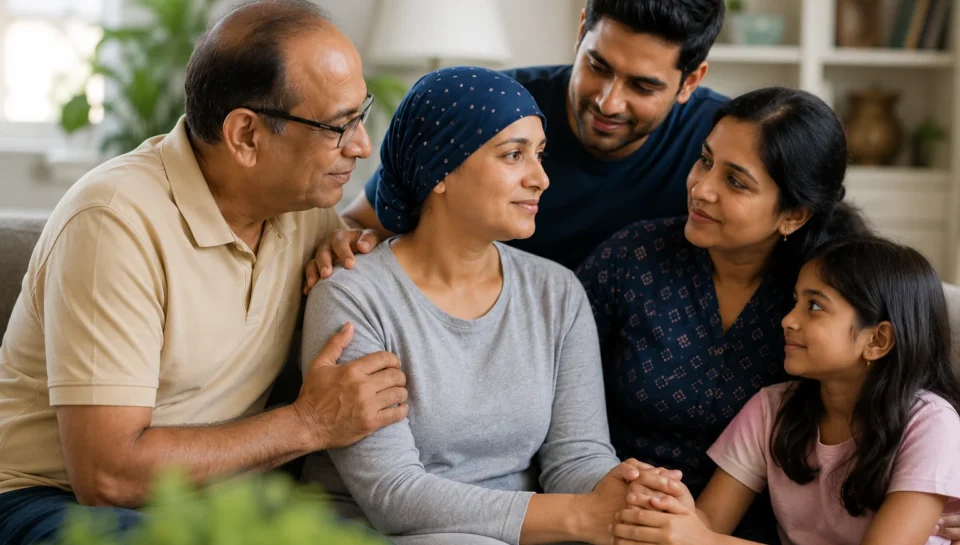
Cancer Support for South Asian Families: Compassionate Guidance for Every Step
Finding the right cancer support for South Asian families can make a difficult health journey feel more manageable. A cancer diagnosis often affects the entire family, creating questions about treatment, emotional well-being, caregiving, finances, communication, and life after treatment.
For many South Asian families, culturally aware support can be especially valuable. Family involvement, community relationships, language preferences, and individual beliefs may shape how people understand and navigate cancer care. Having access to clear information and trusted resources can help families feel more informed, connected, and supported.
Community Wellness Collective (CWC) is developing Navigate Cancer, a guided platform designed to help individuals and families better understand each stage of the cancer journey. The program brings together educational guidance, supportive resources, human navigation, and community connection. CWC’s current pilot has an initial focus on the Indian and South Asian community in the San Francisco Bay Area.
Why Cancer Support Matters for South Asian Families
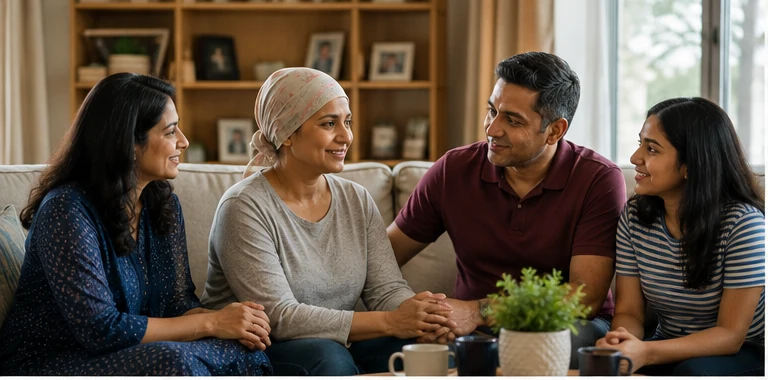
Cancer can bring uncertainty from the first diagnosis through treatment and survivorship. Patients and families may need help understanding medical information, preparing questions for healthcare providers, finding emotional support, or locating practical resources.
South Asian families may also face unique cultural and family considerations during this process. Extended family members can play an important role in caregiving and decision-making, while cultural expectations can influence how health concerns are discussed.
This makes cancer support for South Asian families more than simply providing medical information. It can include education, emotional support, practical guidance, community connection, and culturally relevant resources.
Understanding a Cancer Diagnosis
Receiving a cancer diagnosis can be overwhelming. Families may suddenly encounter unfamiliar medical terminology, test results, staging information, and treatment decisions.
Reliable educational resources can help people prepare for conversations with their healthcare team. Important questions may include:
- What type of cancer has been diagnosed?
- What additional tests are needed?
- What does the stage mean?
- What treatment options may be considered?
- Are there questions the family should prepare for the next appointment?
- Would a second opinion be appropriate?
CWC’s Navigate Cancer platform provides educational guidance around diagnosis, including understanding medical information and identifying supportive resources.
Support During Cancer Treatment
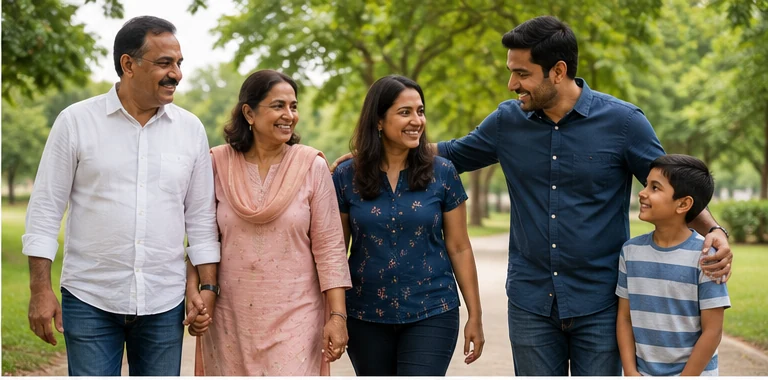
Cancer treatment can affect physical health, emotions, work, family responsibilities, and everyday routines. Patients and caregivers may need support while learning about treatment options, managing questions, and adjusting to changes in daily life.
Navigate Cancer organizes information around treatment decisions, clinical trials, side-effect considerations, emotional well-being, and supportive care resources. CWC emphasizes that its resources complement medical care rather than replace physicians or oncology teams.
A supportive approach can help families stay organized, communicate more effectively, and identify questions they want to discuss with qualified healthcare professionals.
Emotional Support for Patients and Caregivers
Cancer affects emotional health as well as physical health. Patients may experience fear, stress, uncertainty, or frustration, while caregivers may experience emotional exhaustion and pressure from balancing multiple responsibilities.
Families can benefit from having supportive people and reliable resources available throughout the journey. Emotional health support, community connection, counseling, support groups, and wellness education may all play a role alongside medical care.
CWC’s broader approach brings together emotional wellness, nutrition, integrative approaches, education, and community support to help people navigate complex health journeys.
Culturally Aware Cancer Support for South Asian Families
Culturally aware support can help families feel seen and understood. It recognizes that people may approach healthcare differently depending on family traditions, communication styles, community relationships, and personal beliefs.
CWC specifically describes its cancer initiative as working to expand access to survivorship resources for South Asian individuals and families who may have had limited access to culturally relevant support. The initiative includes CWC, Stanford University, and ICC, with an emphasis on research, education, and community connection.
Culturally aware support does not mean replacing evidence-based medical care. Instead, it can help individuals and families access trusted information and supportive resources in a way that respects their background and circumstances.
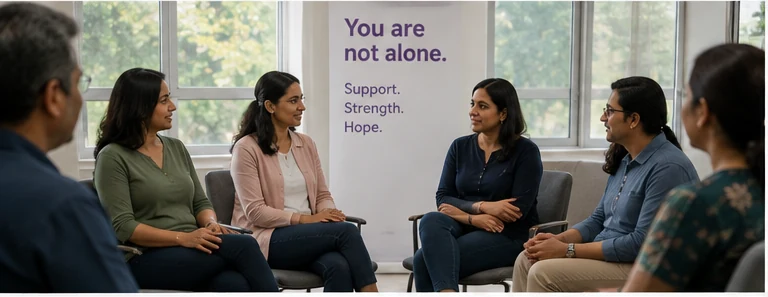
Supporting South Asian Caregivers
Family caregivers can become an essential part of a person’s cancer journey. They may help coordinate appointments, provide transportation, communicate with family members, manage daily responsibilities, or simply offer emotional support.
However, caregivers also need support.
Taking time to learn about available resources, maintain healthy routines, ask for assistance, and communicate openly with healthcare providers can help caregivers manage the demands of supporting a loved one.
Family-centered cancer support should recognize the needs of caregivers as well as those of the patient.
Cancer Support Beyond Treatment

Completing active treatment can bring relief, but it may also introduce a new set of concerns. Survivors may have questions about monitoring, long-term health, emotional adjustment, nutrition, lifestyle, and fear of recurrence.
CWC’s Navigate Cancer model includes monitoring and survivorship as important stages of the cancer journey. Its survivorship initiative with Stanford focuses on learning, emotional well-being, communication, and support for South Asian individuals and families.
This broader perspective recognizes that support can continue well beyond the treatment phase.
Finding Trusted Cancer Resources
Searching online for cancer information can be overwhelming. Families may come across conflicting advice, unverified claims, or information that does not apply to their situation.
When looking for cancer resources, consider whether the information is:
- Based on reliable medical or educational sources
- Clear about its limitations
- Relevant to the patient’s stage and circumstances
- Supportive of communication with healthcare professionals
- Respectful of cultural and family needs
CWC’s Navigate Cancer platform organizes resources by stages including prevention, diagnosis, treatment, monitoring, financial guidance, and support resources, making it easier for individuals and families to explore information relevant to where they are in their journey.
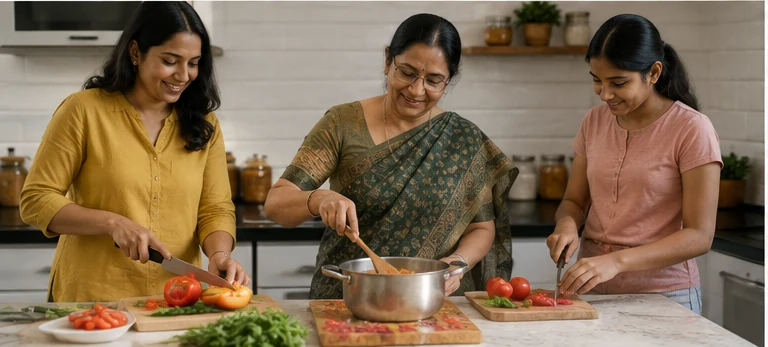
How Community Wellness Collective Can Help
Community Wellness Collective is building a community-centered ecosystem that combines trusted education, human support, wellness perspectives, and community connection.
Through Navigate Cancer, trained human navigators can provide informational, emotional, and logistical support while helping people explore relevant resources. The program is designed to complement an individual’s existing medical care rather than replace it.
For families seeking cancer support for South Asian families, this approach can offer a starting point for finding clearer information, meaningful connections, and supportive next steps.
You Do Not Have to Navigate Cancer Alone
A cancer diagnosis can affect every member of a family, but no family should have to navigate the journey without support.
With trusted education, culturally relevant resources, emotional support, and community connection, patients and caregivers can feel better prepared to ask questions and understand what comes next.
Community Wellness Collective’s Navigate Cancer initiative is helping create a more connected model of cancer support, with an initial focus on the Indian and South Asian community in the San Francisco Bay Area.
Explore Navigate Cancer to learn more about resources and support available throughout the cancer journey.
Frequently Asked Questions
What is cancer support for South Asian families?
Cancer support for South Asian families includes educational, emotional, practical, and community-based resources that help patients, caregivers, and loved ones navigate cancer while considering cultural and family needs.
Why is culturally aware cancer support important?
Culturally aware support can help families access information in a way that respects their backgrounds, communication preferences, family structures, and community experiences.
Can caregivers receive cancer support too?
Yes. Caregivers are an important part of many cancer journeys and can benefit from emotional support, educational resources, community connections, and practical guidance.
Does Community Wellness Collective provide cancer treatment?
No. CWC states that it is not a medical provider and that Navigate Cancer is designed to complement, not replace, care from physicians and oncology teams.
Where does CWC’s South Asian cancer initiative focus?
CWC’s current Navigate Cancer pilot has an initial focus on the Indian and South Asian community in the San Francisco Bay Area.
Conclusion
The right support can make a meaningful difference during a cancer journey. For South Asian families, combining trustworthy education with culturally aware guidance, emotional support, and community connection can provide a stronger foundation for navigating the challenges ahead.
Community Wellness Collective is working to make that journey more understandable and connected through Navigate Cancer and its growing community initiatives.
Use a high-authority cancer information source such as the National Cancer Institute for general cancer information rather than linking to another commercial health website.
