
Healthy Lifestyle After Cancer
 by
by 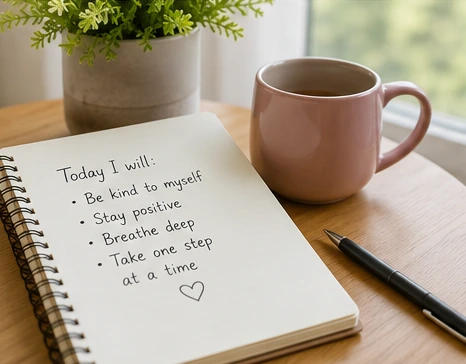
Healthy Lifestyle After Cancer: Simple Steps for Long-Term Wellness
Life after treatment can bring relief, gratitude, uncertainty, and new physical or emotional challenges. Creating a healthy lifestyle after cancer does not mean following a perfect routine. Instead, it means taking realistic, supportive steps that fit your energy level, recovery needs, and medical care plan.
Every cancer survivor has a different experience. Some people may be rebuilding strength after treatment, while others may be managing fatigue, changes in appetite, sleep difficulties, anxiety, or fear of recurrence. Therefore, the best approach is to move forward gradually and stay connected with your healthcare team.
A healthy lifestyle after cancer routine can support your overall well-being, quality of life, confidence, and ability to manage day-to-day life after treatment. However, lifestyle changes should always complement—not replace—your recommended follow-up care.

Why a Healthy Lifestyle After Cancer Matters
Cancer survivorship is about more than finishing treatment. It includes ongoing physical health, emotional well-being, follow-up appointments, and support for long-term lifestyle changes.
A healthy lifestyle after cancer may include nutritious food choices, gentle physical activity, quality sleep, emotional support, stress management, and avoiding tobacco. These habits can help you feel more in control while supporting your overall health.
Importantly, recovery is not always linear. Some days may feel easier than others. Therefore, focus on small actions that are sustainable rather than setting unrealistic goals.
1. Prioritise Follow-Up Care
Regular follow-up appointments are an important part of healthy lifestyle after cancer treatment. Your care team can monitor your recovery, discuss any ongoing side effects, answer questions, and help you understand which symptoms need attention.
Keep a record of your treatment history, medicines, questions, and symptoms. In addition, ask your healthcare provider about a survivorship care plan. This plan may include information about future appointments, recommended screenings, long-term side effects, and wellness guidance.
For trustworthy guidance on post-treatment follow-up, read the National Cancer Institute’s information on follow-up medical care.
2. Choose Nourishing Foods
healthy lifestyle after cancer eating can support energy, strength, and recovery. However, there is no single diet that is right for every cancer survivor. Your nutritional needs may depend on the type of cancer, treatment received, current weight, digestion, appetite, and any treatment-related side effects.
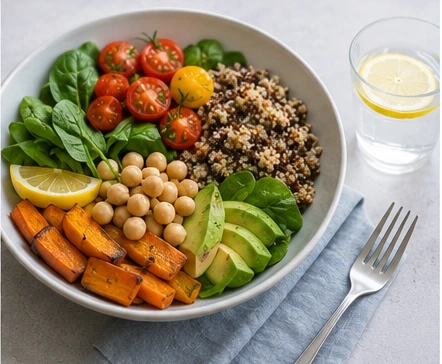
A balanced eating pattern may include:
- Colourful fruits and vegetables
- Whole grains such as oats, brown rice, or whole-grain bread
- Protein sources such as beans, lentils, eggs, fish, poultry, tofu, or yogurt
- Healthy fats from nuts, seeds, avocado, and olive oil
- Plenty of fluids throughout the day
Instead of trying to change everything at once, start with one small habit. For example, add a fruit to breakfast, include vegetables at lunch, or keep a water bottle nearby.
For more supportive food and wellness resources, explore the Community Wellness Collective Nutrition page.
3. Return to Movement Gradually
Physical activity can be an important part of a healthy lifestyle after cancer. It may support strength, mood, sleep, energy, and confidence. However, the right activity level is different for everyone.
Start slowly, especially if you are recovering from surgery, chemotherapy, radiation, or ongoing fatigue. A short walk, gentle stretching, light yoga, chair exercises, or simple daily movement may be a helpful beginning.
Before starting a new exercise routine, speak with your healthcare team, especially if you have bone changes, neuropathy, balance concerns, heart-related issues, severe fatigue, or pain.
The goal is not to push through discomfort. Instead, choose movement that feels safe, manageable, and enjoyable.
4. Protect Your Sleep and Rest
healthy lifestyle after cancer Sleep may be affected by anxiety, pain, hormonal changes, medication, fatigue, or changes in routine. However, good rest remains an important part of recovery.
You can support better sleep by:
- Keeping a regular sleep and wake schedule
- Reducing screen time before bed
- Creating a quiet, comfortable sleep environment
- Practising relaxation techniques such as slow breathing or meditation
- Limiting caffeine later in the day
- Talking to your doctor if sleep problems continue
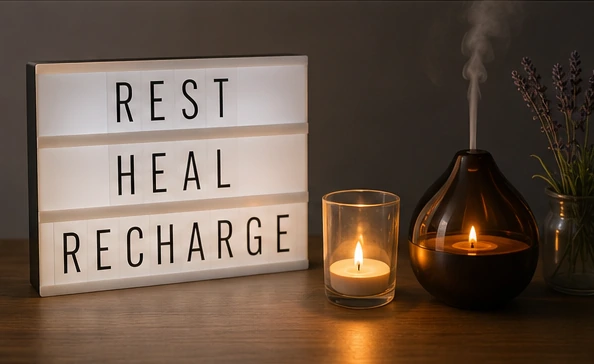
Rest is not a sign of weakness. It is an important part of healing and adjusting to a healthy lifestyle after cancer.
5. Support Emotional Well-Being
Cancer can affect emotional health long after treatment ends. Fear of recurrence, changes in body image, financial stress, relationship changes, and uncertainty about the future are all common experiences.
Talking about your feelings can help. Consider sharing your concerns with a trusted friend, family member, counsellor, support group, or healthcare professional.
Mindfulness, journaling, prayer, creative activities, music, or time outdoors may also support emotional wellness. In addition, connecting with others who understand the cancer journey can reduce isolation and provide encouragement.
You do not have to manage every feeling alone.
6. Manage Stress in Everyday Life
Stress may not disappear completely, but healthy coping tools can make it easier to manage. Try choosing one calming activity each day, even if it only takes a few minutes.
Helpful stress-management practices may include:
- Deep breathing exercises
- Guided meditation
- Gentle movement
- Listening to calming music
- Spending time in nature
- Writing down worries or questions
- Speaking with a therapist or counsellor
- Joining a support group
A healthy lifestyle after cancer should include emotional care as well as physical care. Small moments of calm can help you feel more grounded during difficult days.
7. Avoid Tobacco and Limit Alcohol
Avoiding tobacco is one of the most important steps you can take for long-term health. If you smoke, vape, or use tobacco products, talk with your doctor about quitting support.
Alcohol may also affect overall health and can interact with some medicines. Ask your healthcare provider what is appropriate for your personal medical history and treatment plan.
You do not need to make these changes alone. Support programmes, counselling, and medical guidance can make lifestyle changes feel more achievable.
8. Build a Supportive Routine
A healthy routine works best when it fits your real life. Rather than making a long list of goals, choose one or two actions you can repeat each week.
For example:
- Take a 10-minute walk after lunch
- Add one extra serving of vegetables each day
- Call a friend once a week
- Schedule time for rest
- Write questions before follow-up appointments
- Try a short breathing exercise before bed
Over time, these small steps can become part of a meaningful healthy lifestyle after cancer.
When to Speak With Your Healthcare Team
Contact your healthcare provider if you have new symptoms, persistent pain, unexpected weight changes, severe fatigue, ongoing sleep problems, depression, anxiety, or concerns about returning to activity.
Your health team can help you decide what is normal during recovery and what needs further attention. They can also connect you with dietitians, rehabilitation specialists, mental health professionals, support groups, or survivorship programmes.
Conclusion
A healthy lifestyle after cancer is not about doing everything perfectly. It is about making compassionate, practical choices that support your body and mind over time.
Start where you are. Eat nourishing foods when you can, move in ways that feel safe, rest without guilt, stay connected to your care team, and reach out for emotional support when needed. With patience and the right support, you can build a wellness routine that feels realistic, personal, and empowering.
Frequently Asked Questions
What is a healthy lifestyle after cancer?
A healthy lifestyle after cancer includes ongoing follow-up care, balanced nutrition, safe movement, quality sleep, emotional support, stress management, and avoiding tobacco.
Can cancer survivors exercise after treatment?
Many cancer survivors can benefit from physical activity. However, the right type and level of exercise depends on your treatment history, recovery, symptoms, and medical advice.
What foods should cancer survivors eat?
A balanced diet with fruits, vegetables, whole grains, protein, healthy fats, and enough fluids can support overall wellness. Your needs may vary, so speak with a registered dietitian or healthcare provider for personalised guidance.
How can I manage anxiety after cancer treatment?
Deep breathing, support groups, counselling, journaling, gentle exercise, and open communication with your healthcare team may help. Seek professional support if anxiety feels overwhelming or affects daily life.
